15 June 2026
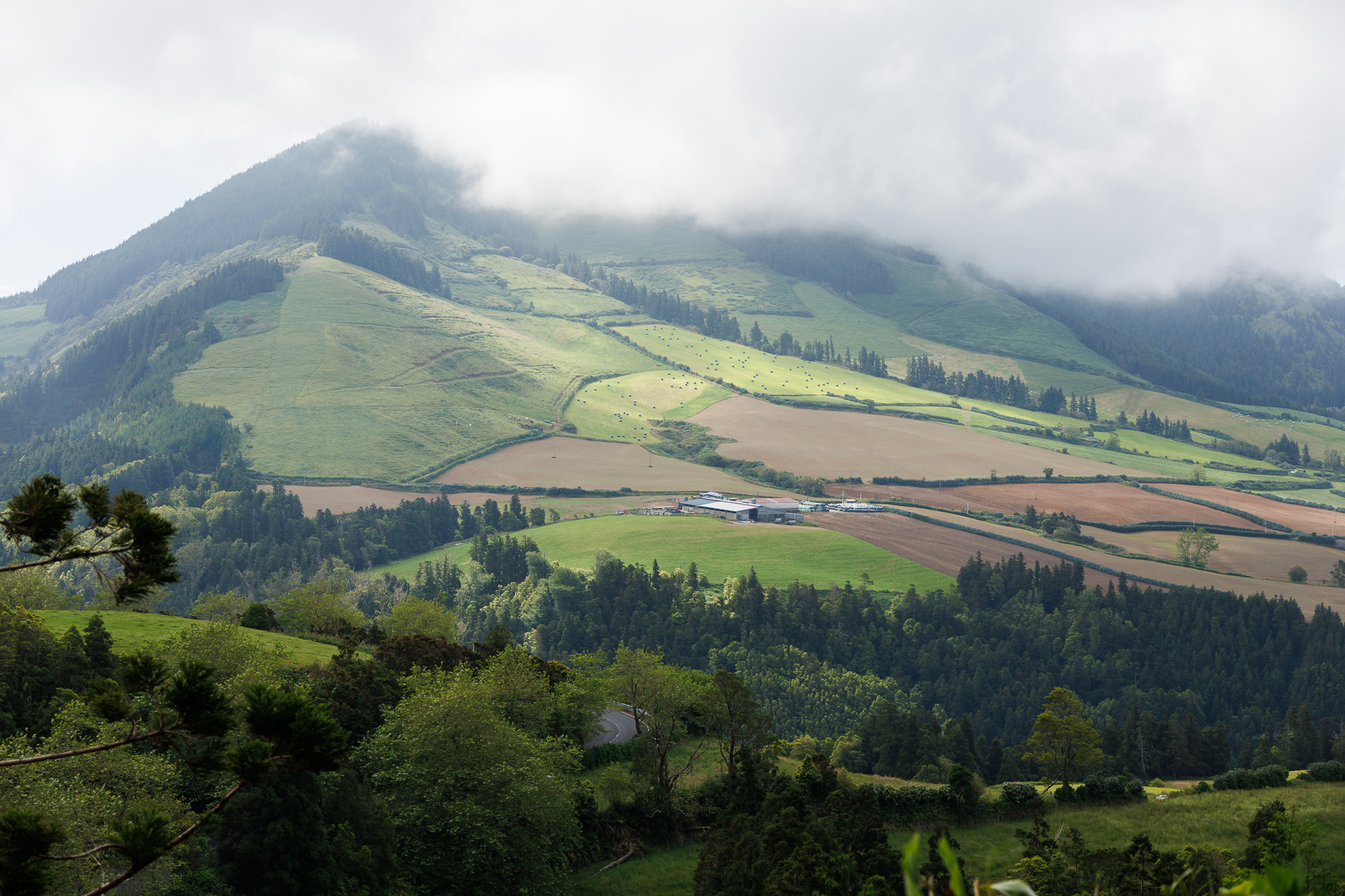
Our next-to-last full day in the Açores (aka Azores) was a trip into the mountains of northeastern São Miguel island with birding guide Gerbrand Michielsen. Gerby runs the bird guiding service Gerby Birding. I, Pam, am the birder and our two friends got an initiation into the techniques of stalking birds and the thrill of a closeup sighting.
Our observing methods:
- Walk grouped together so we look less threatening.
- If the bird flies, wait a bit before you try to follow.
- Stay still while the bird is still looking around. Once it gets busy foraging, you can quietly move closer.
It’s also better not to wear bright white.
Building my life list
My hope was to see two species of the Açores, one endemic (found only in that place) and one subspecies:
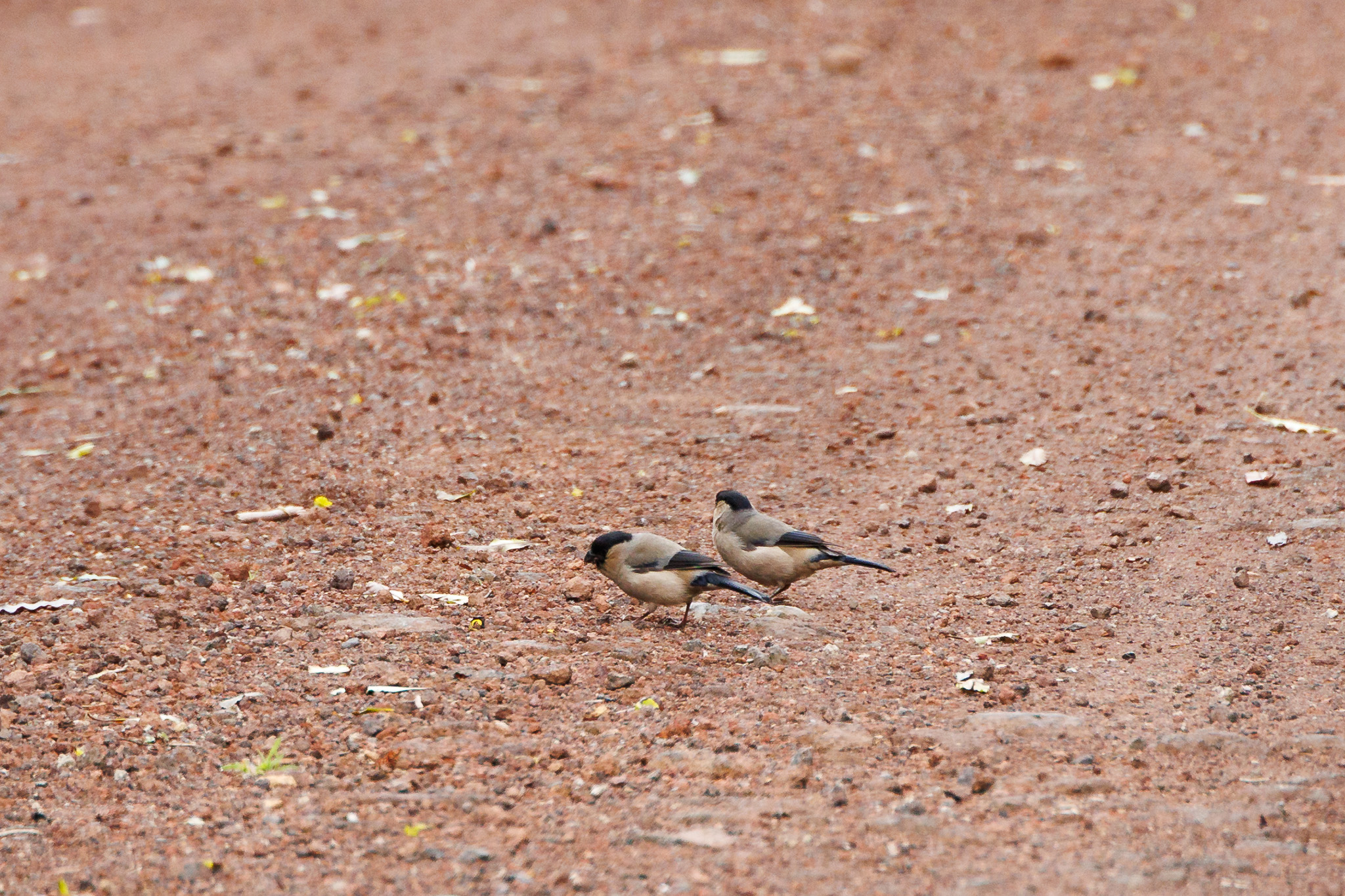
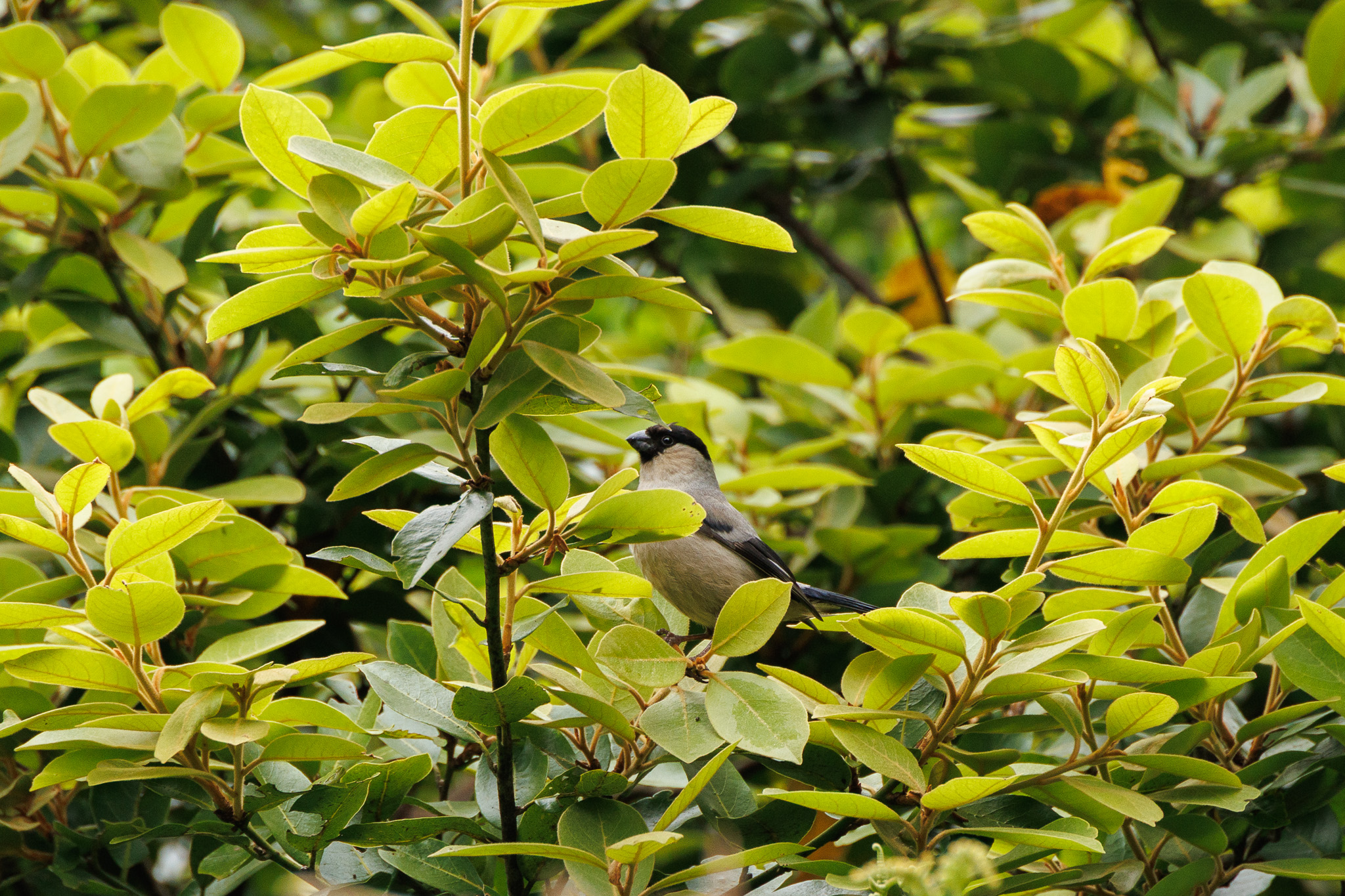
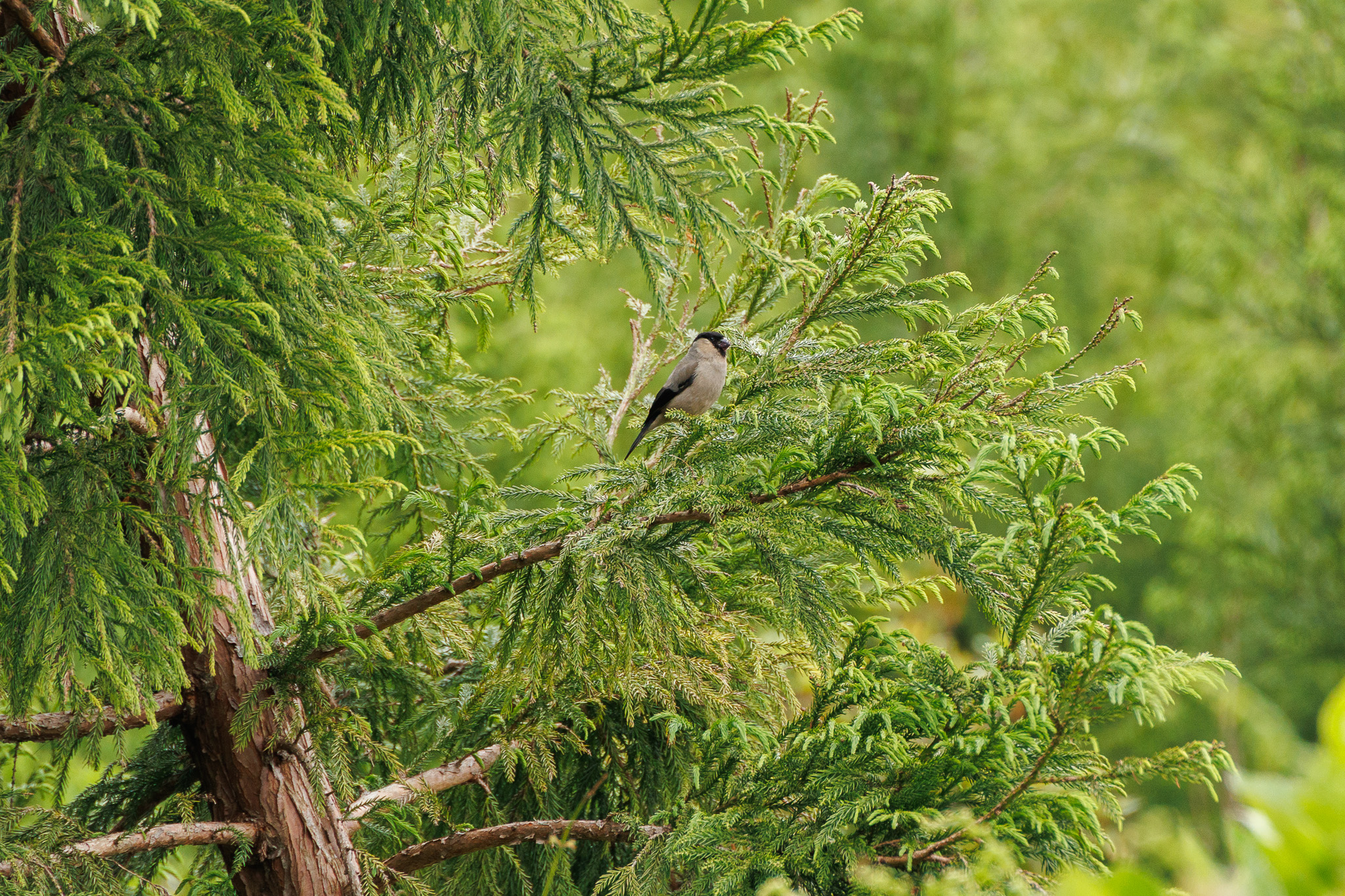
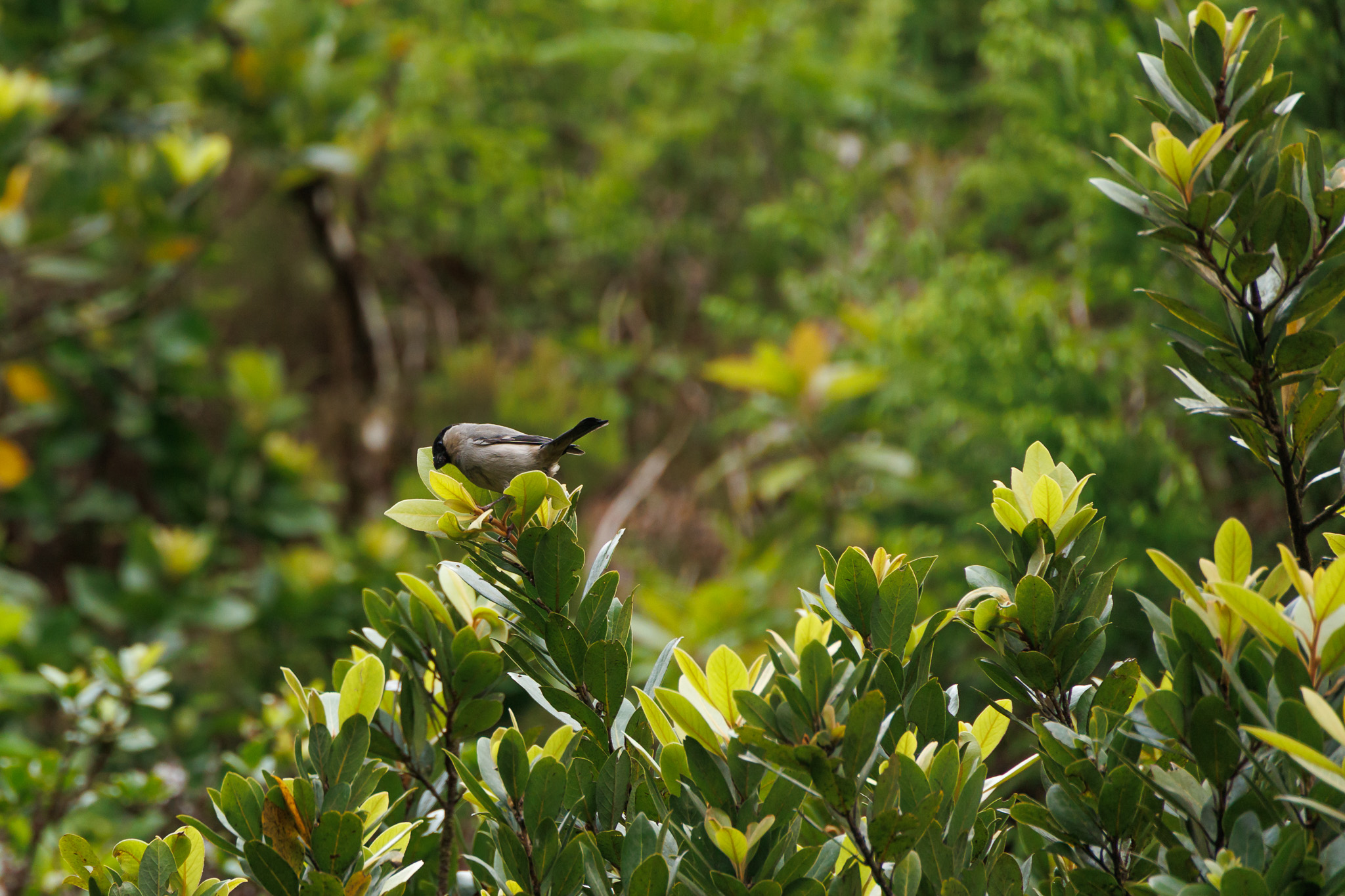
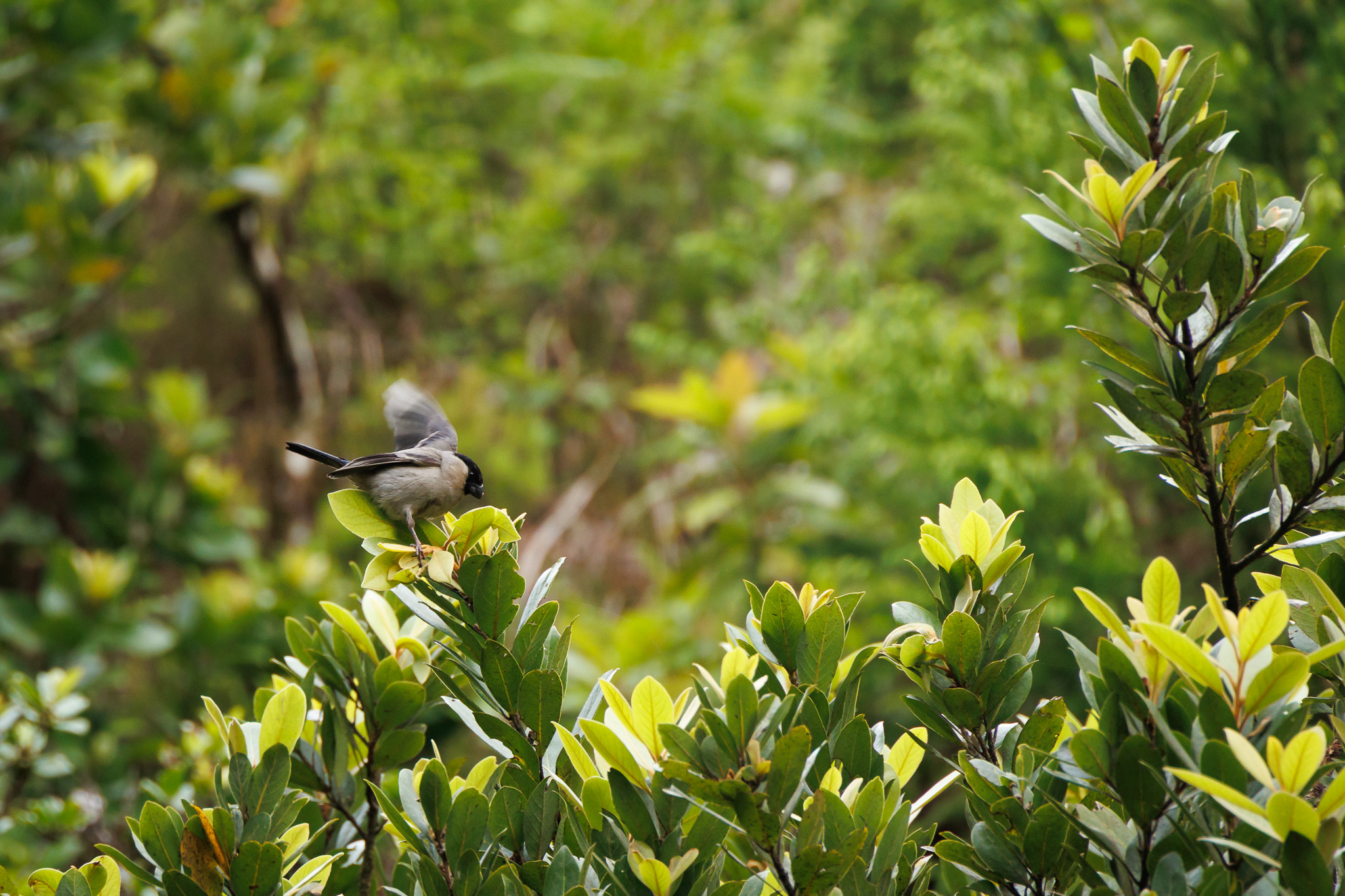
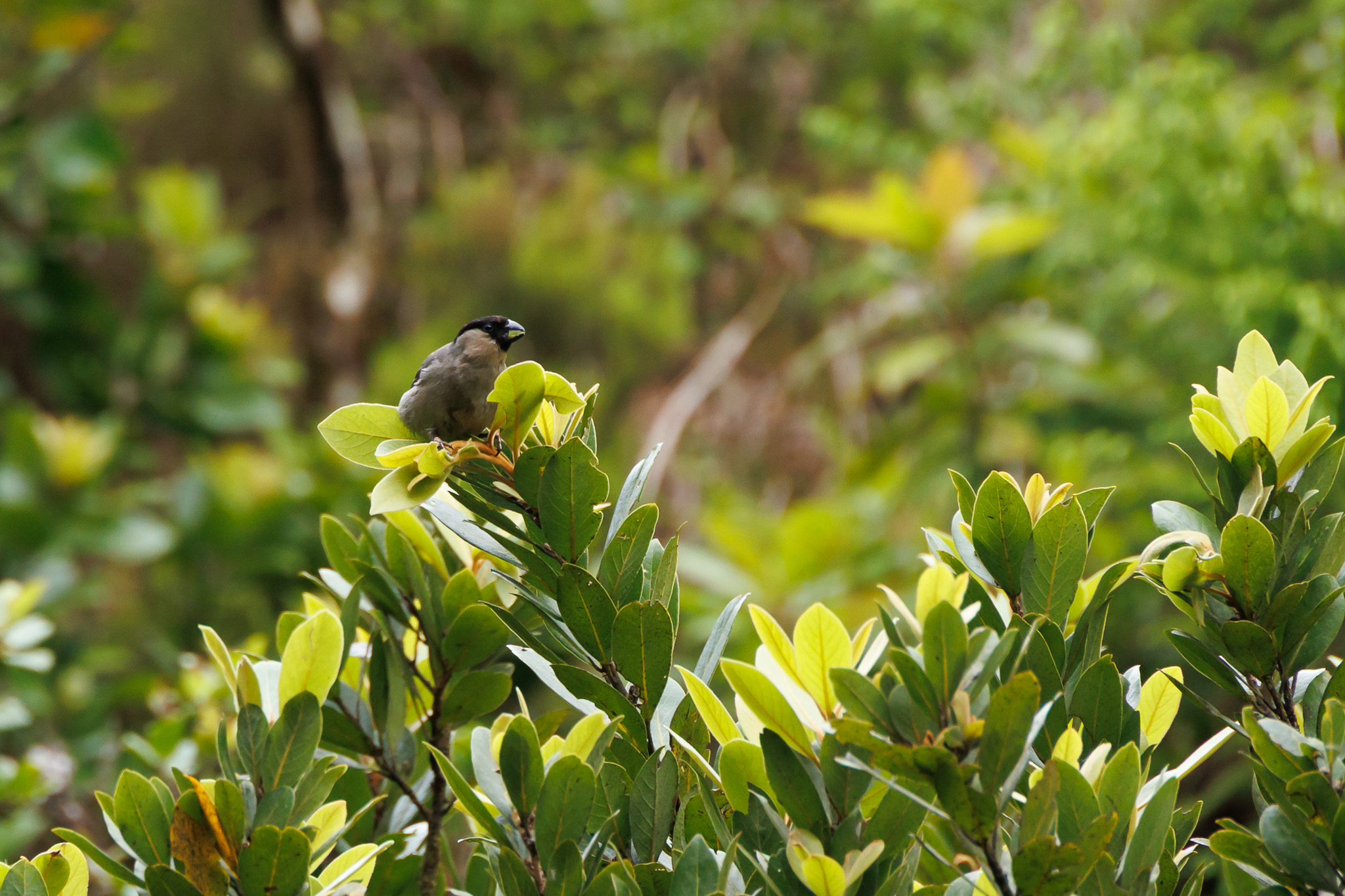
- Azores Bullfinch, known locally as the Priolo. We were looking for a chunky gray bird with a black cap and wings and a large black bill. It’s similar to the Eurasian Bullfinch, without the male’s red breast. You can only see the Priolo on São Miguel island, the main island of the archipelago.
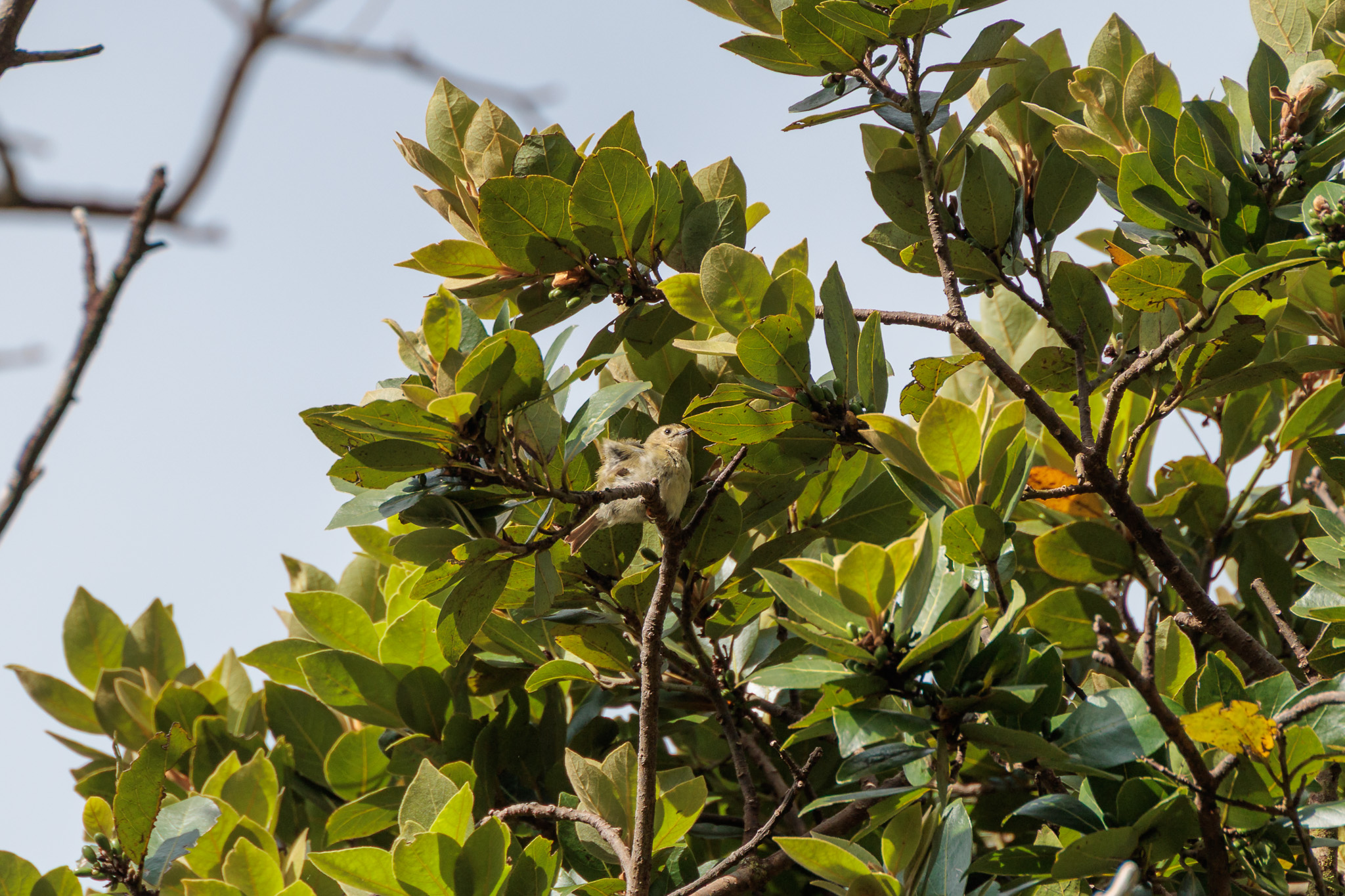
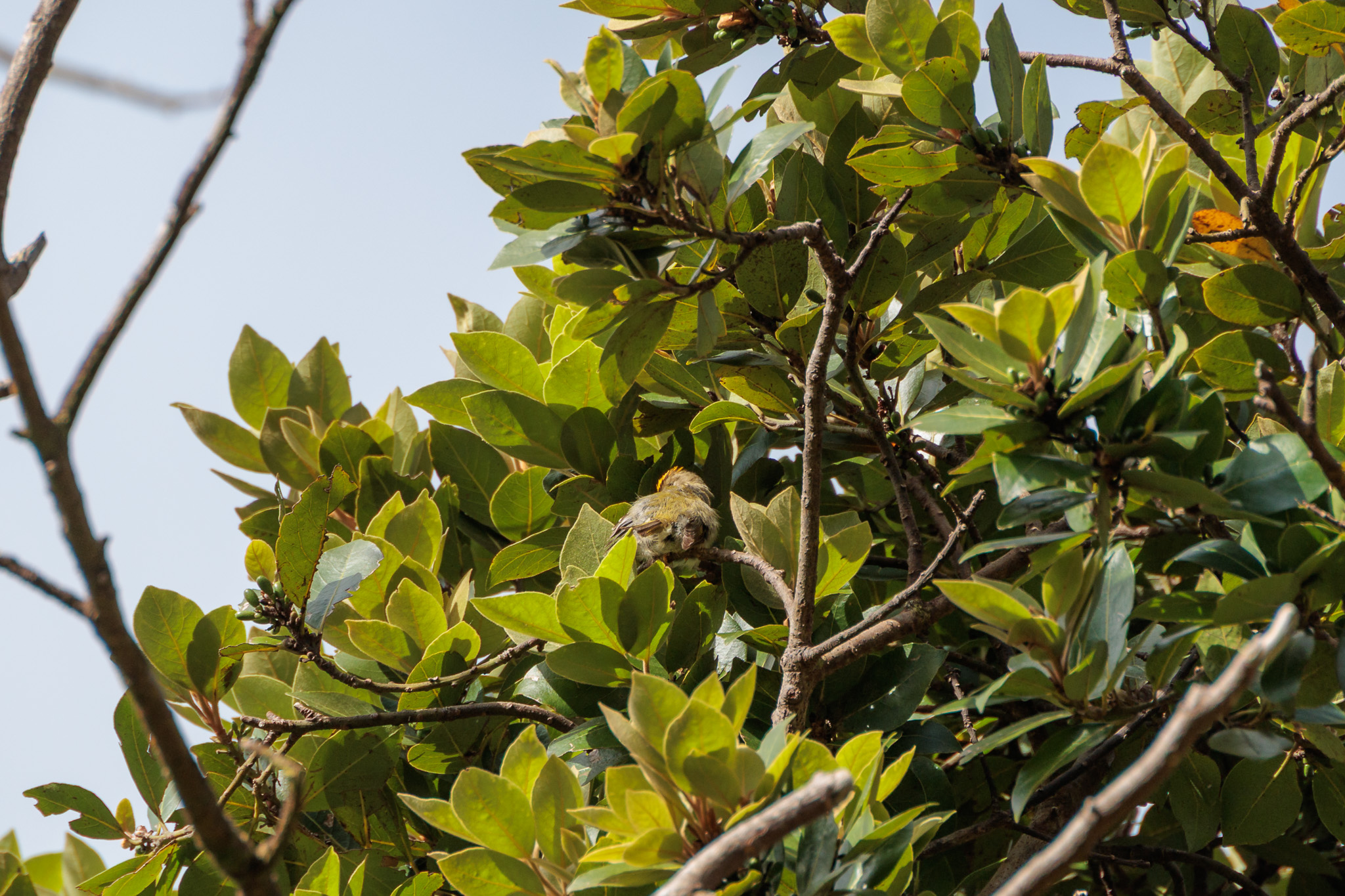
- Goldcrest, the tiniest species of bird in Europe. It is common through Eurasia, but I hadn’t seen it yet. The Açores has its own subspecies. The Goldcrest is in the same genus, Regulus, as North American kinglets and the Common Firecrest, which I’ve seen often in the park near our home in Caxias.
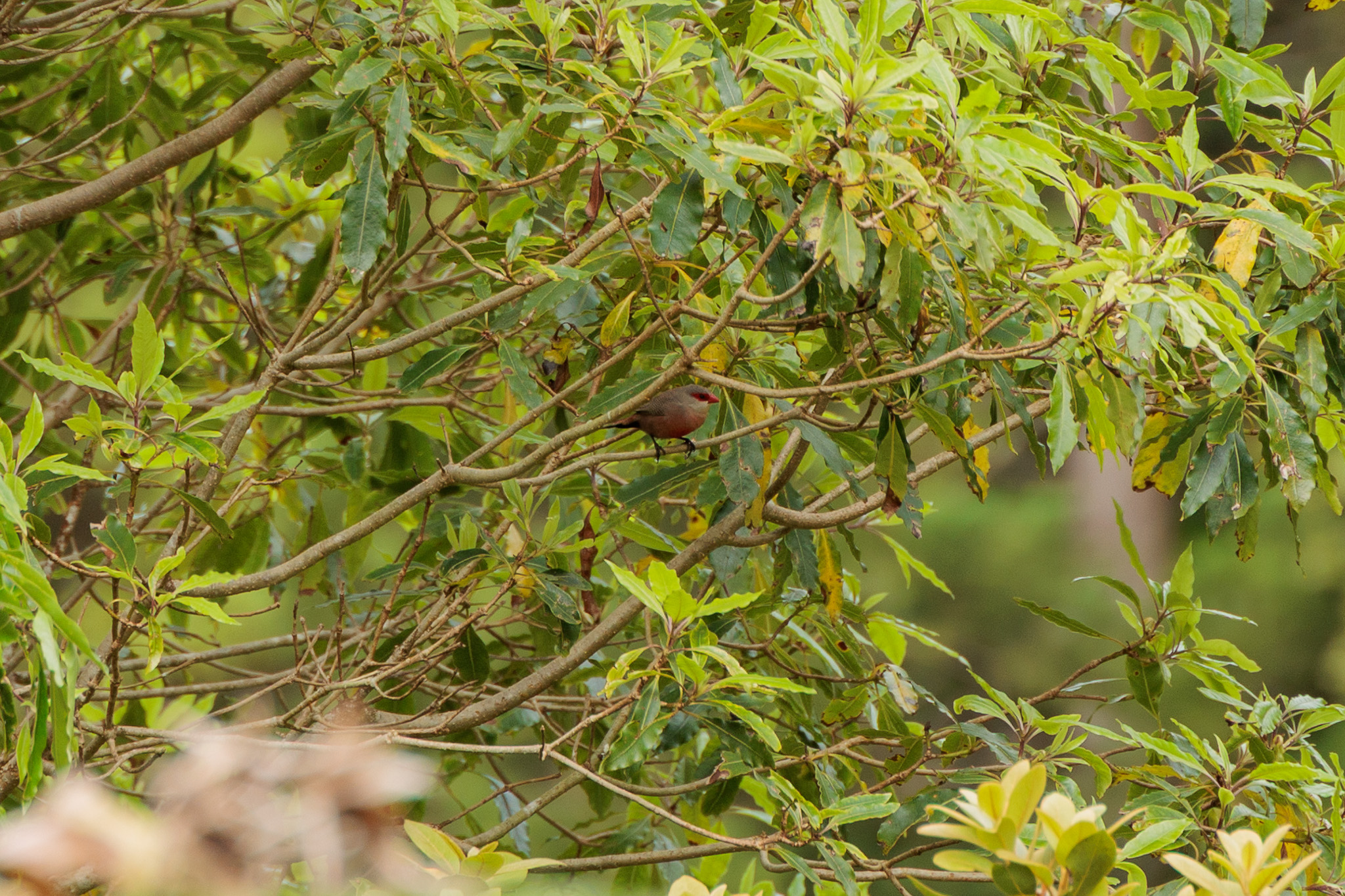
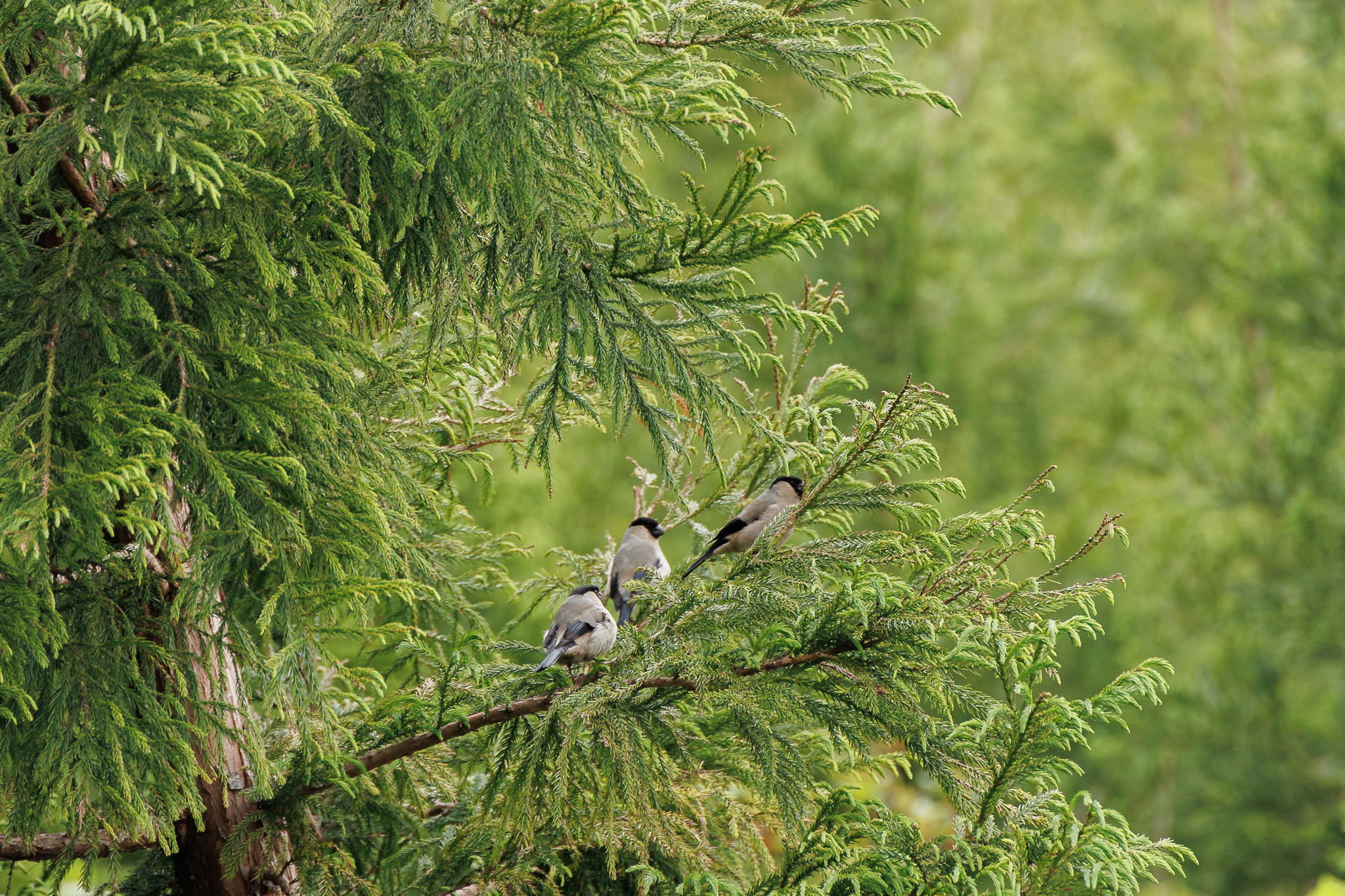
Azores bullfinch, our target, plus goldcrest and waxbill
Gerby took us to a mid-elevation dirt road on a steep hillside and listened. We learned to pay attention to the call note of the Azores bullfinch, a downward-sliding whistle. Priolo is the bird’s local name.
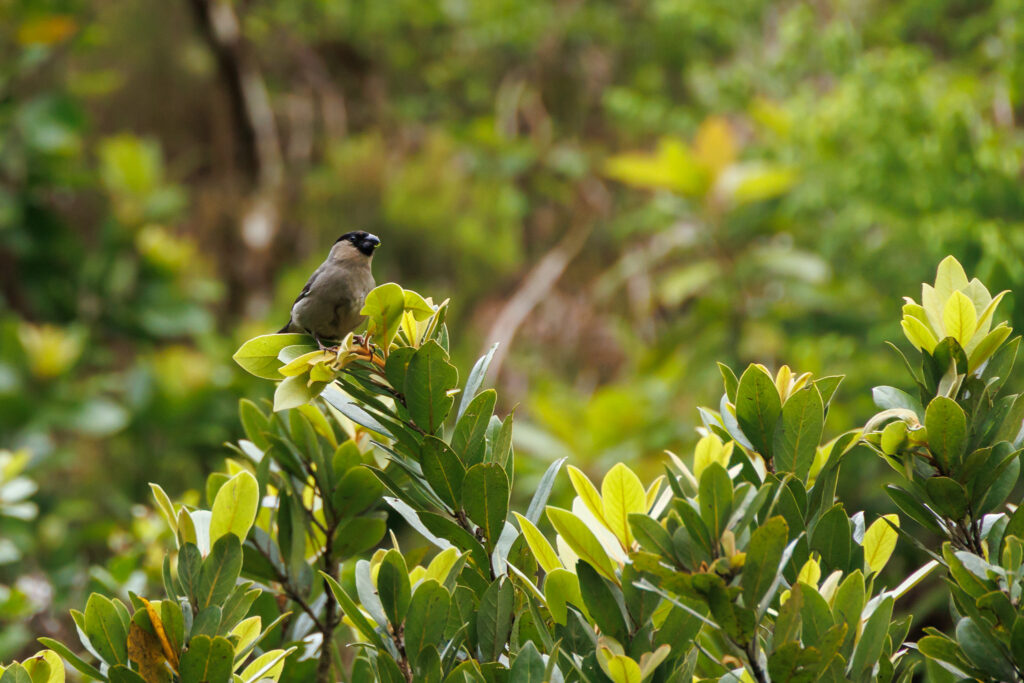
We were very successful in finding Priolos along the road in the laurel forest. I got several pictures. Especially exciting were finding three birds sitting together on one branch. We saw closeups of my first Goldcrest too, although it was busy preening and didn’t pose for me. We spotted a Common Waxbill in the forest too.
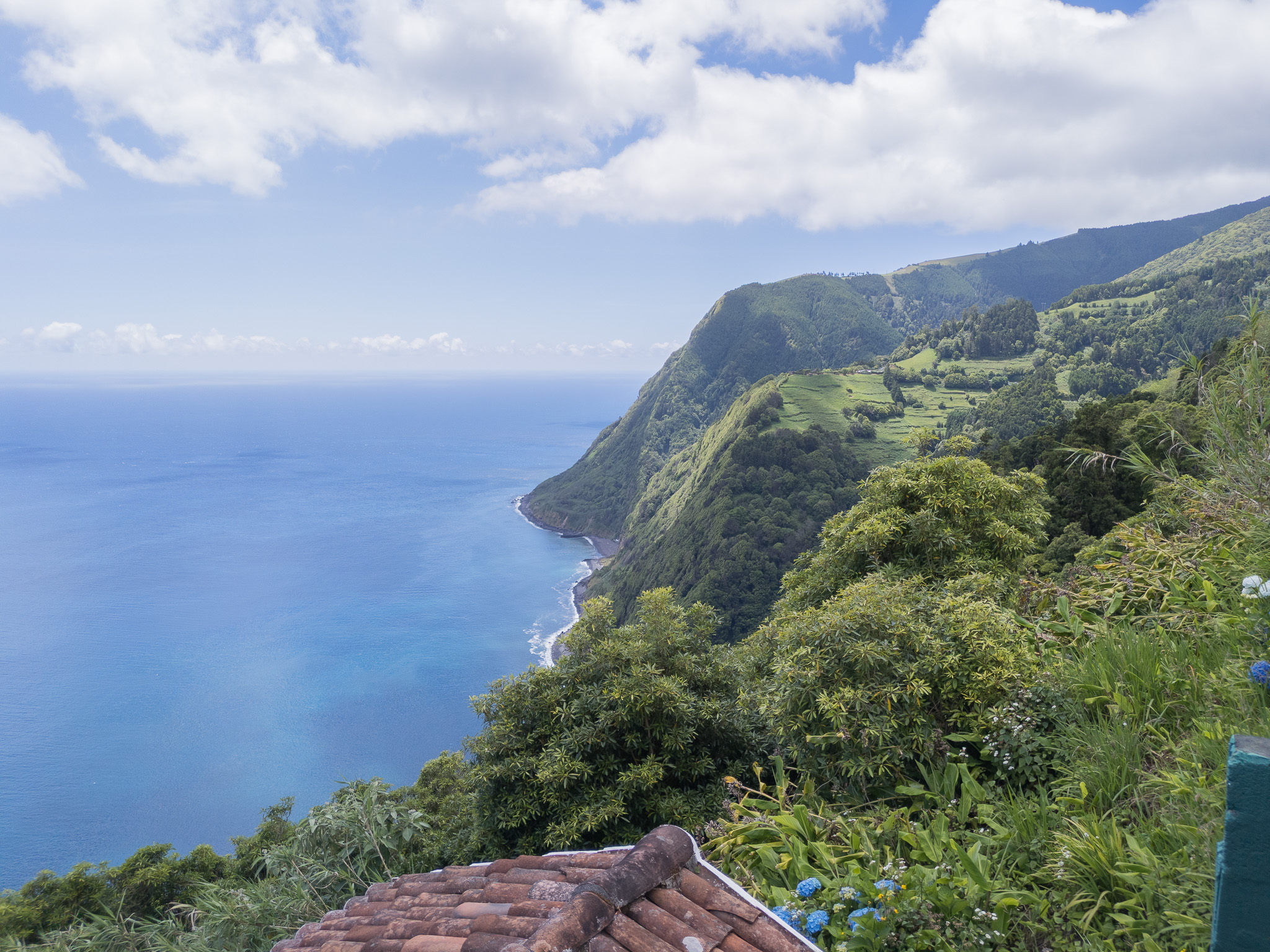
We had a lovely lunch in a clifftop park called Miradouro da Ponto do Sossego at the eastern end of the island of São Miguel. The park has stone picnic tables under shady gazebos. Shade is always welcome at midday anywhere in Portugal! We were high above the ocean. I didn’t take any pictures of the picnic park and its pretty gardens, alas, but there’s a photo of the dramatic coastal cliffs. Gerby set up his scope, but there were no birds that we could find on the ocean.
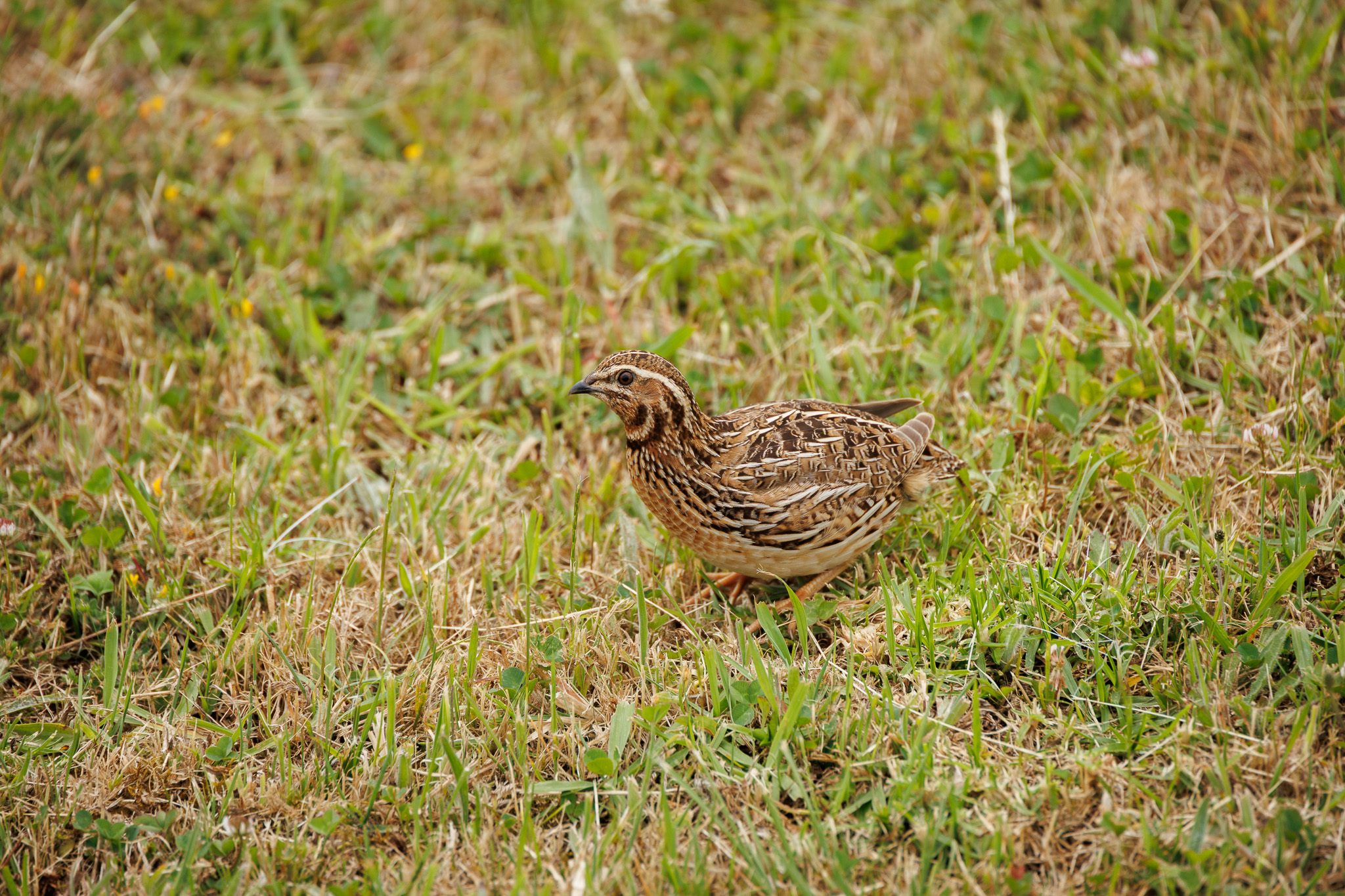
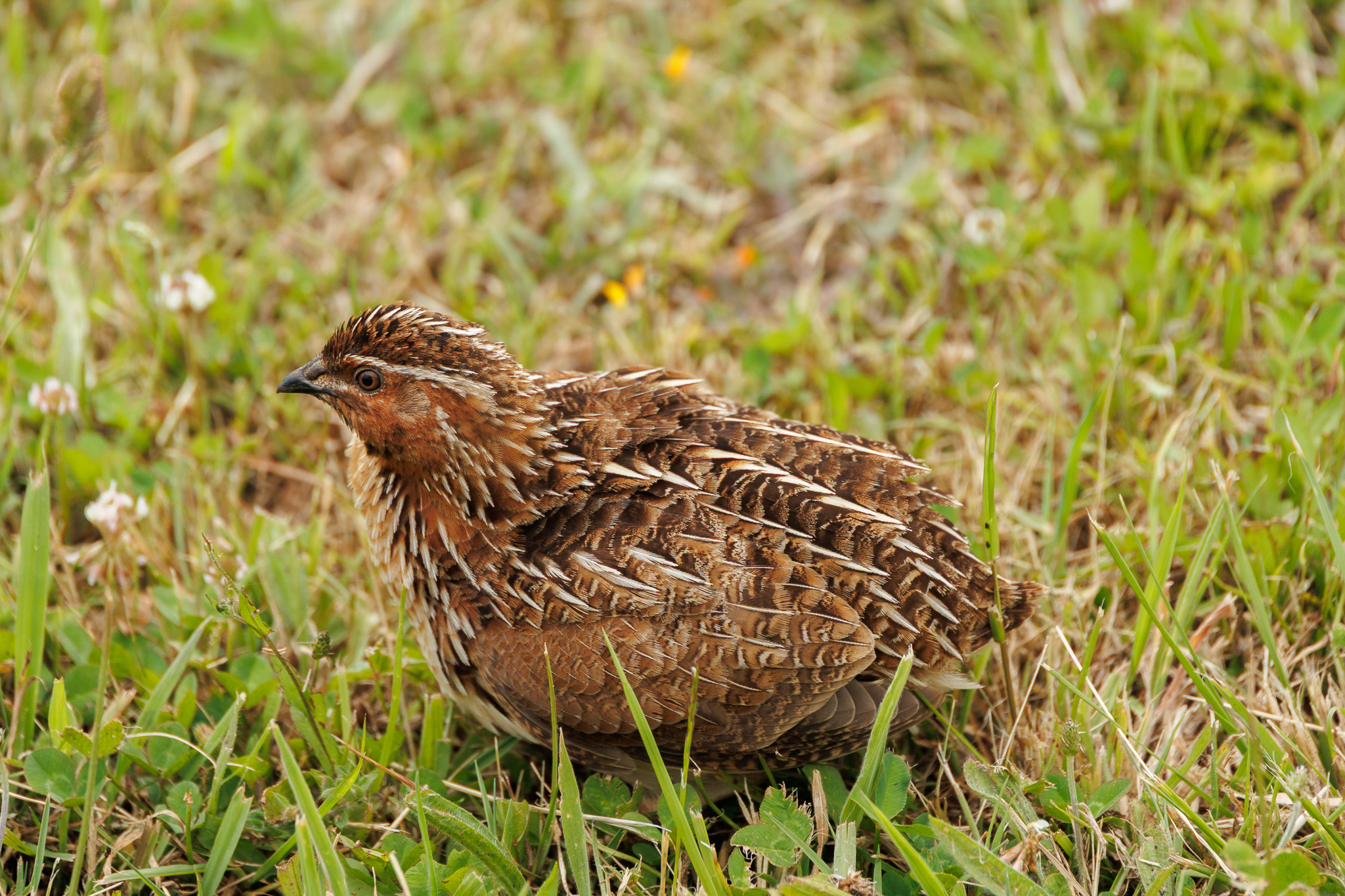
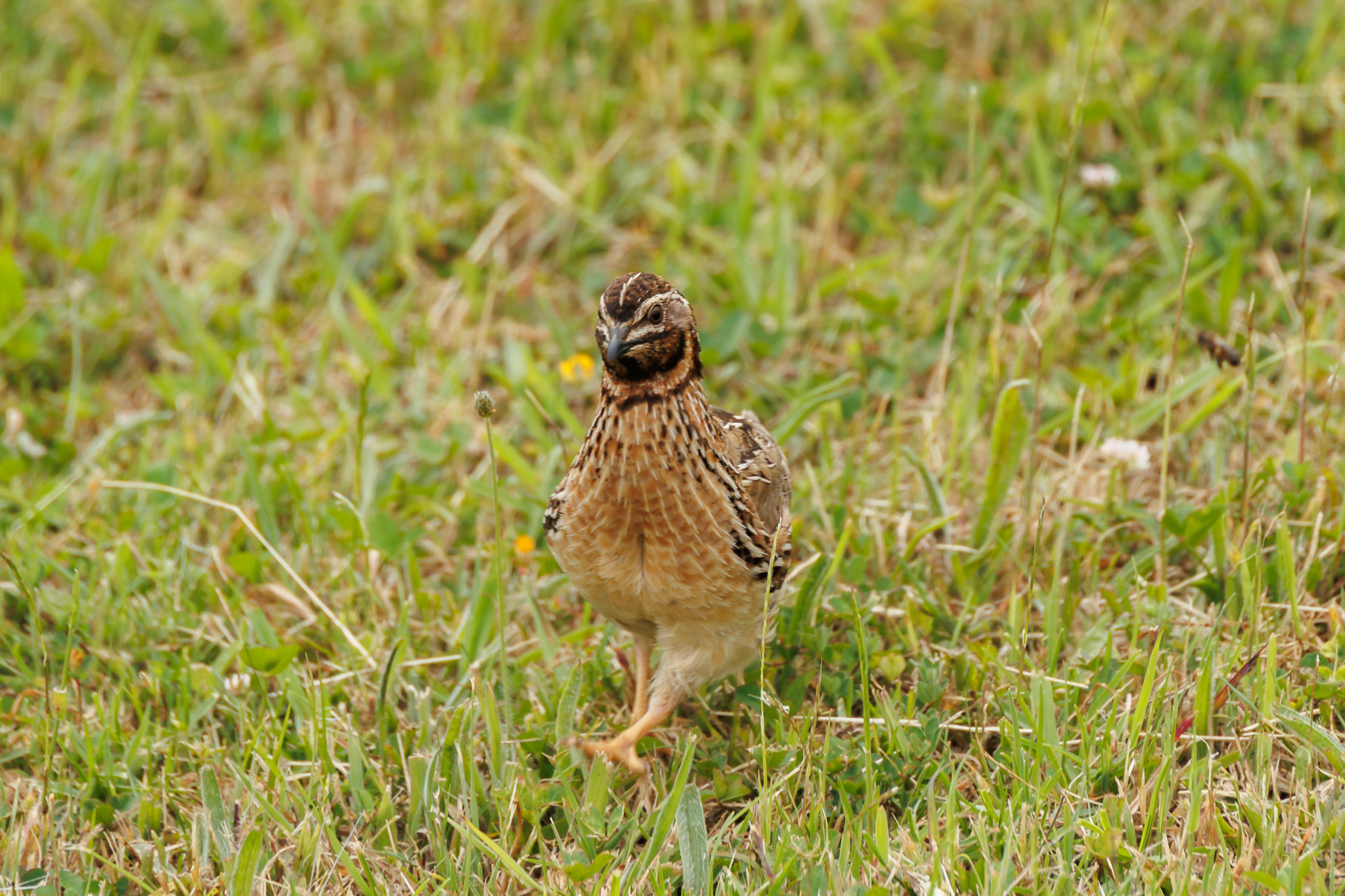
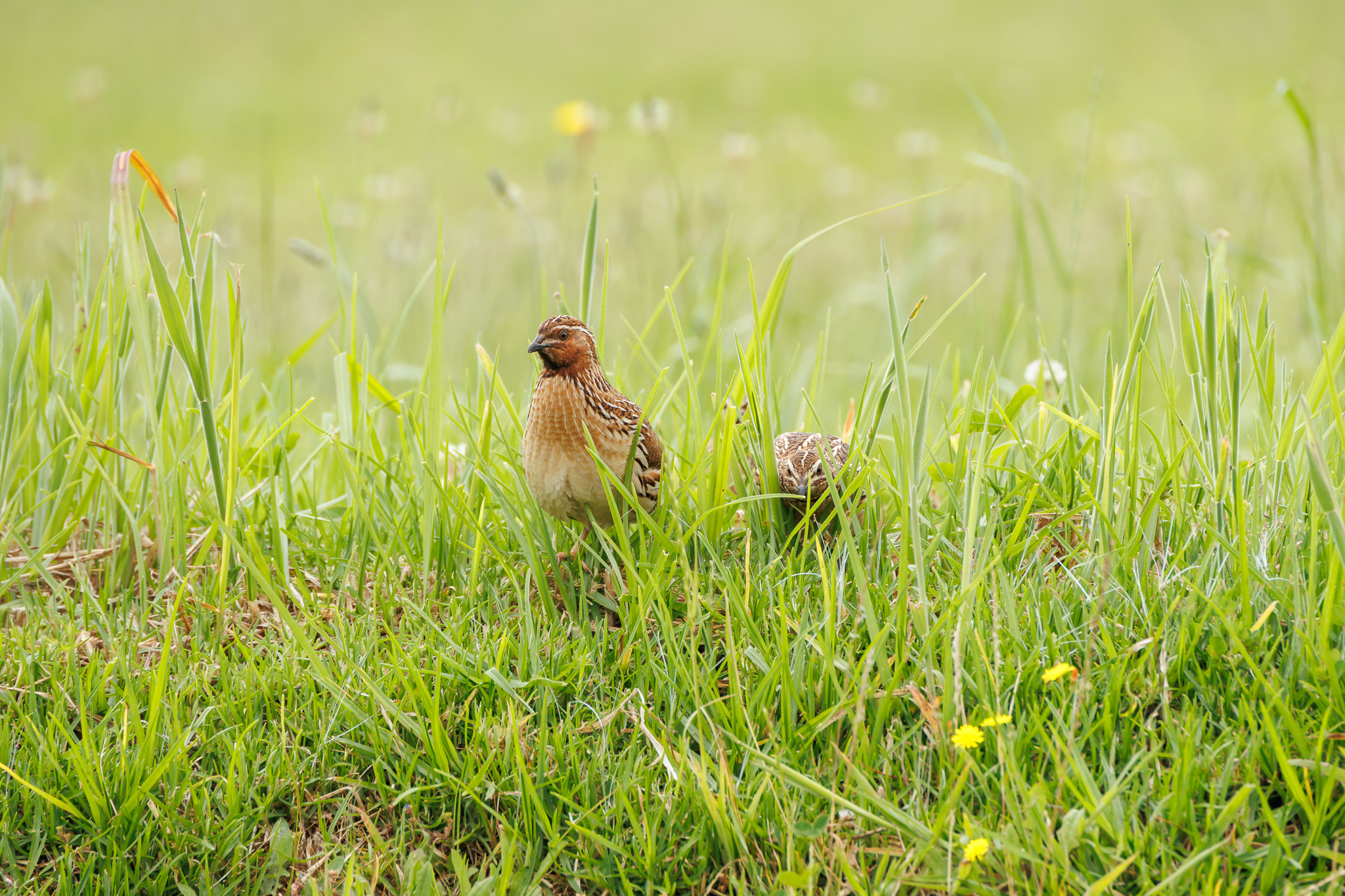
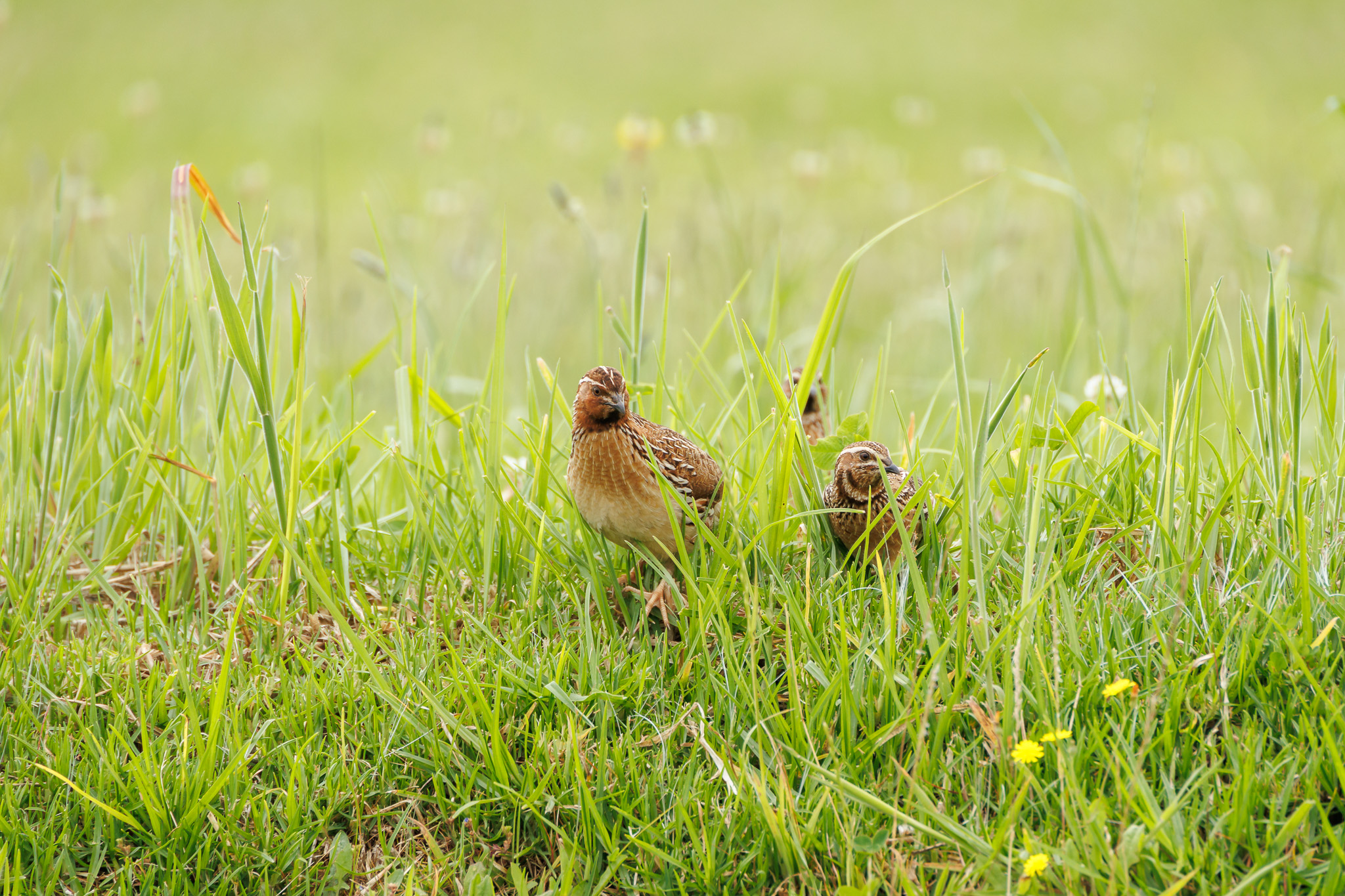
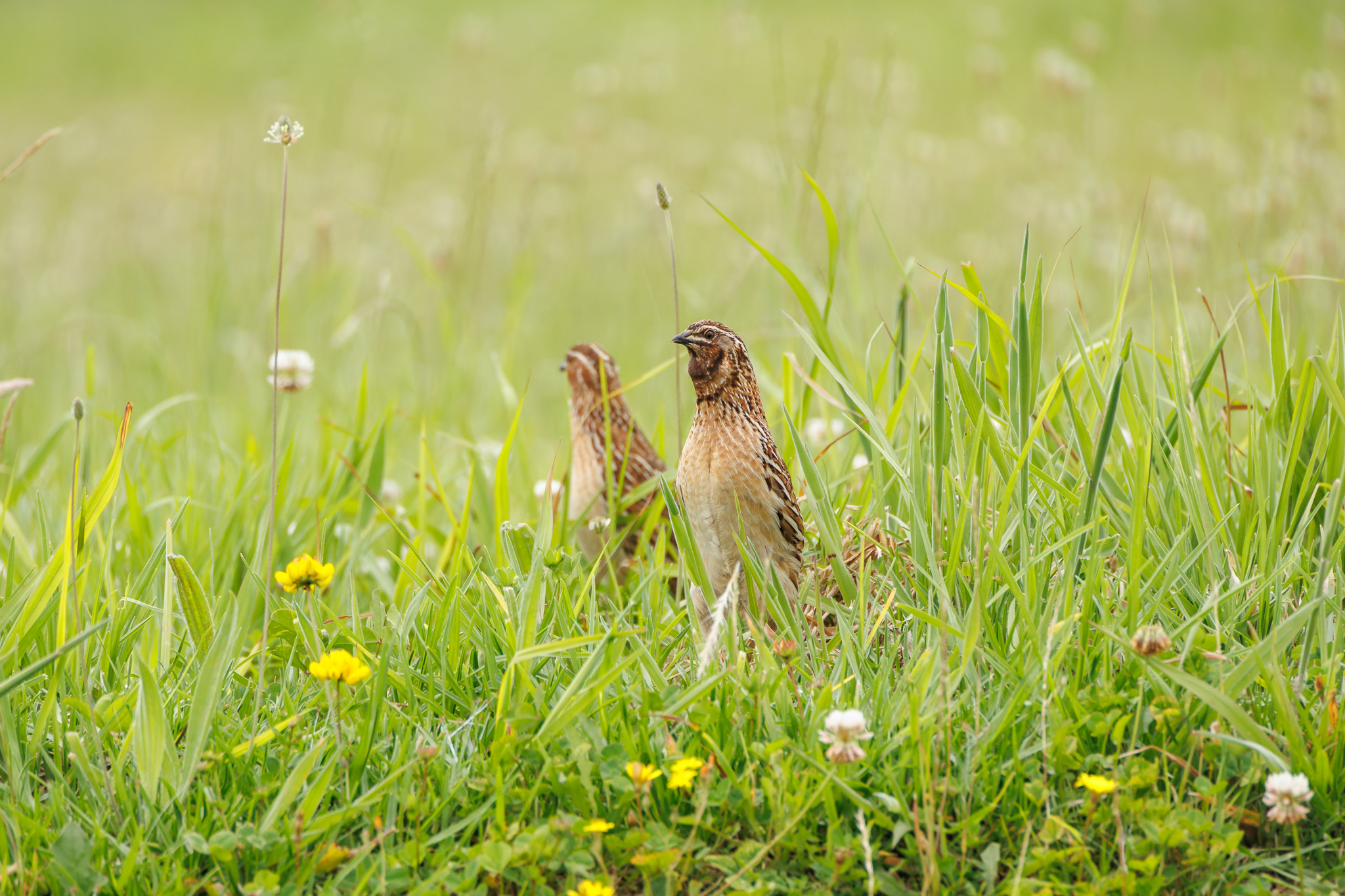
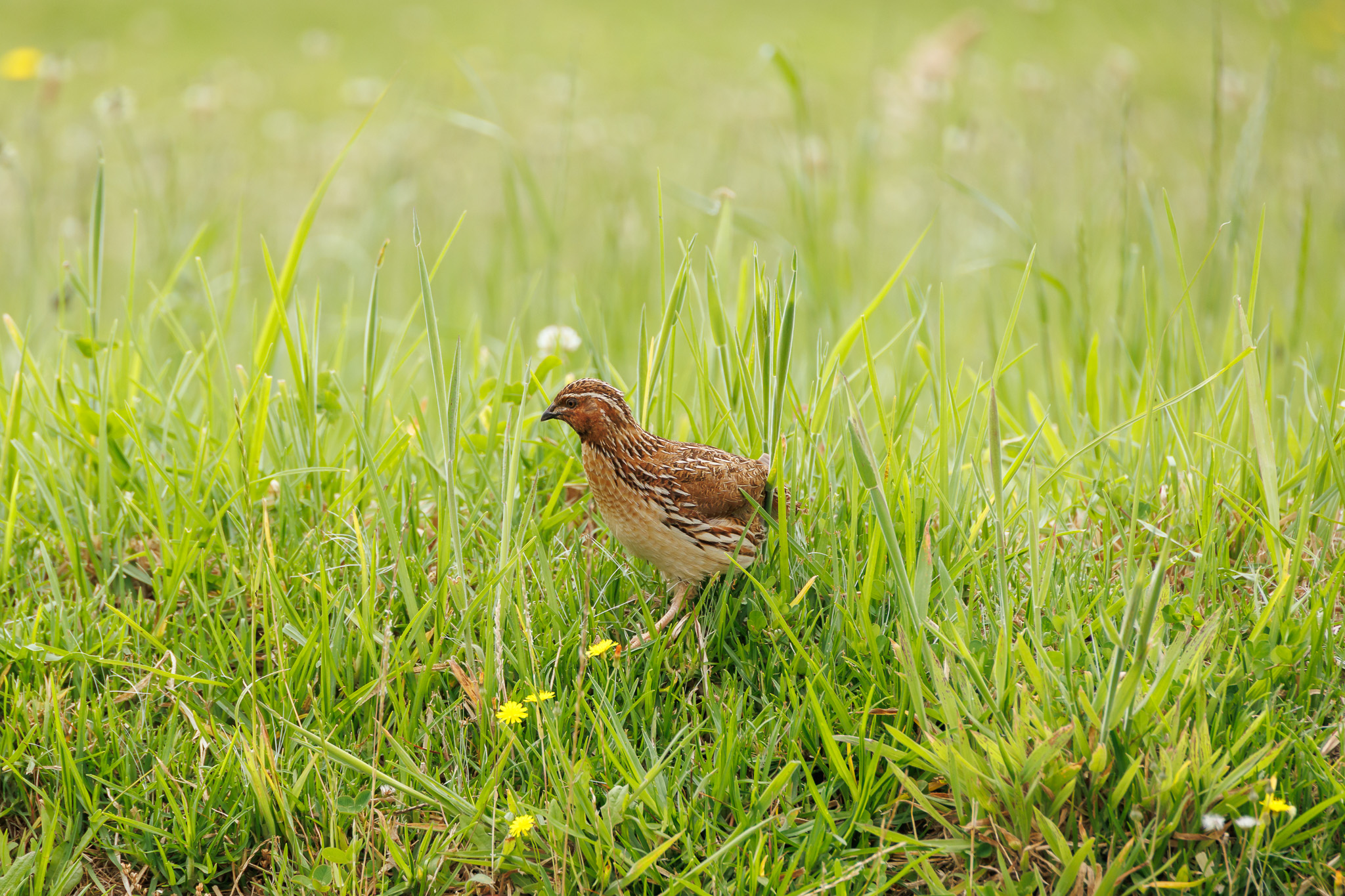
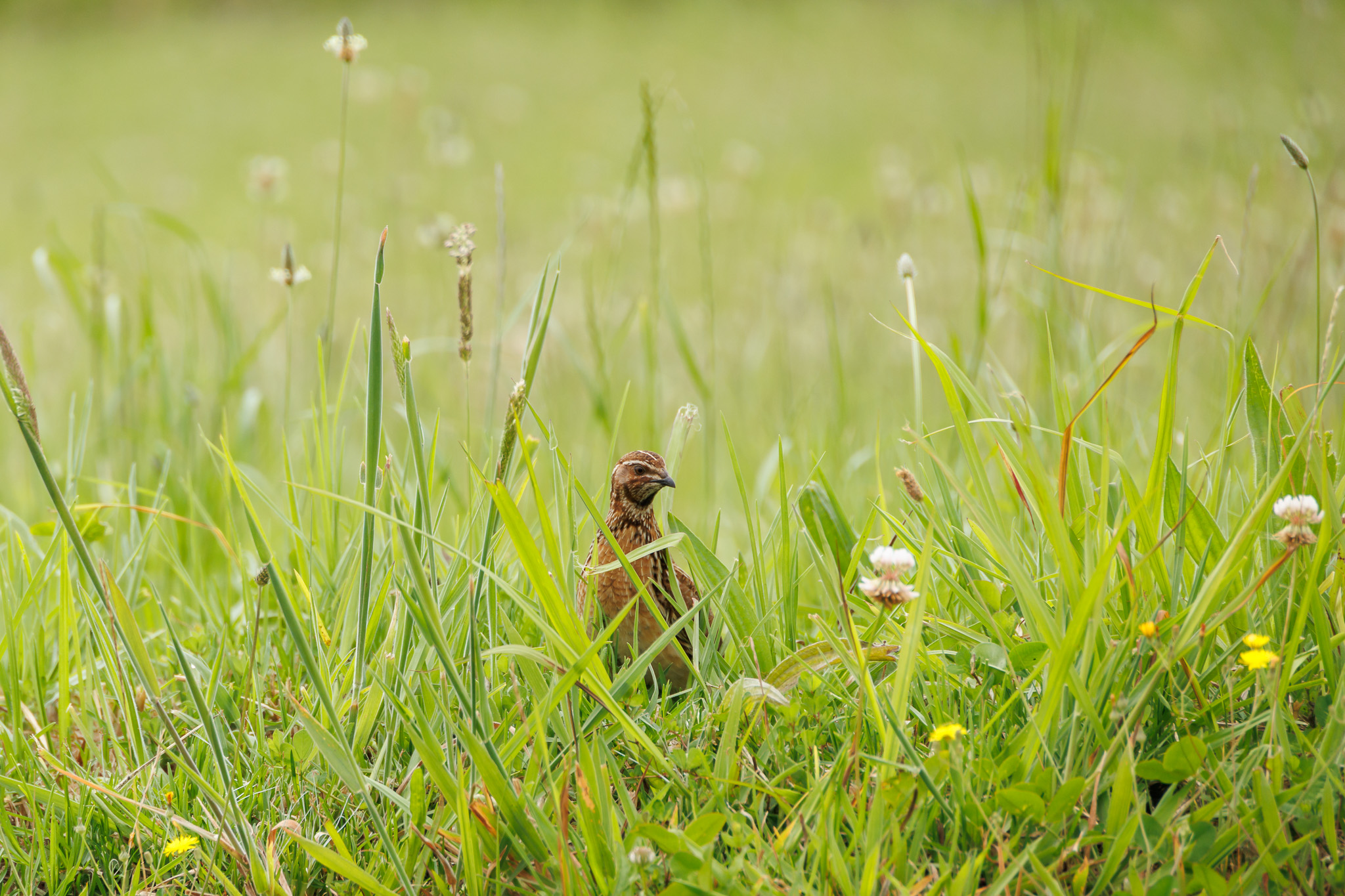
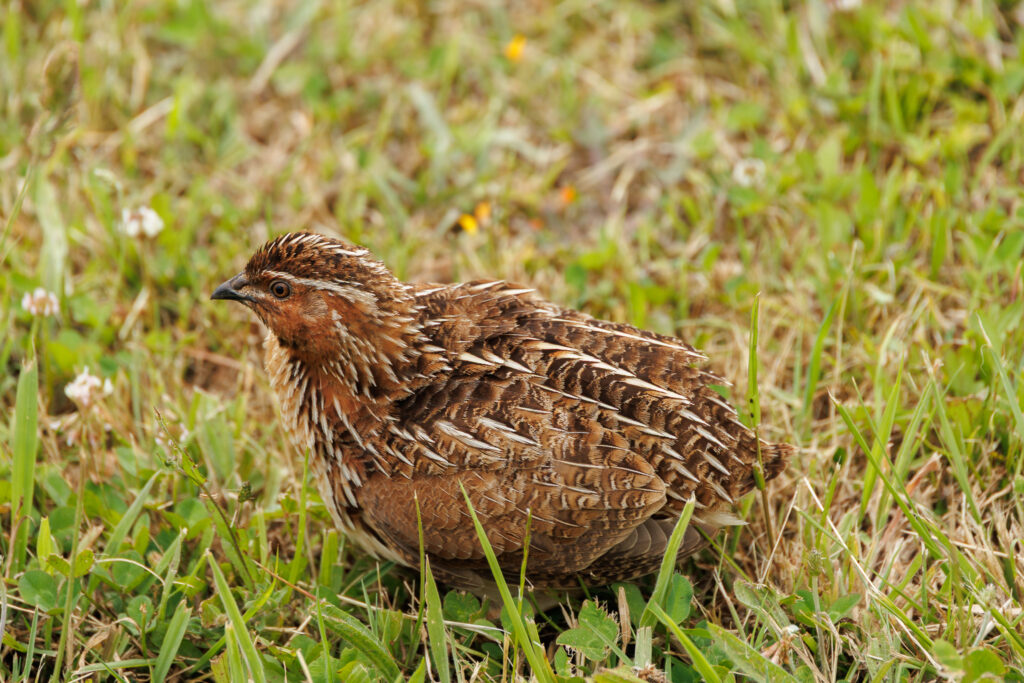
Common quail
On our way back, we stopped on a wide road beside a grassy field and after playing a short recorded call of a female, we got a whole parade of partridges coming out of the grass. Gerby said he would only do that once at any particular location. It’s the only way to see them. Generally you can hear them, but they are usually hiding deep in the grass.
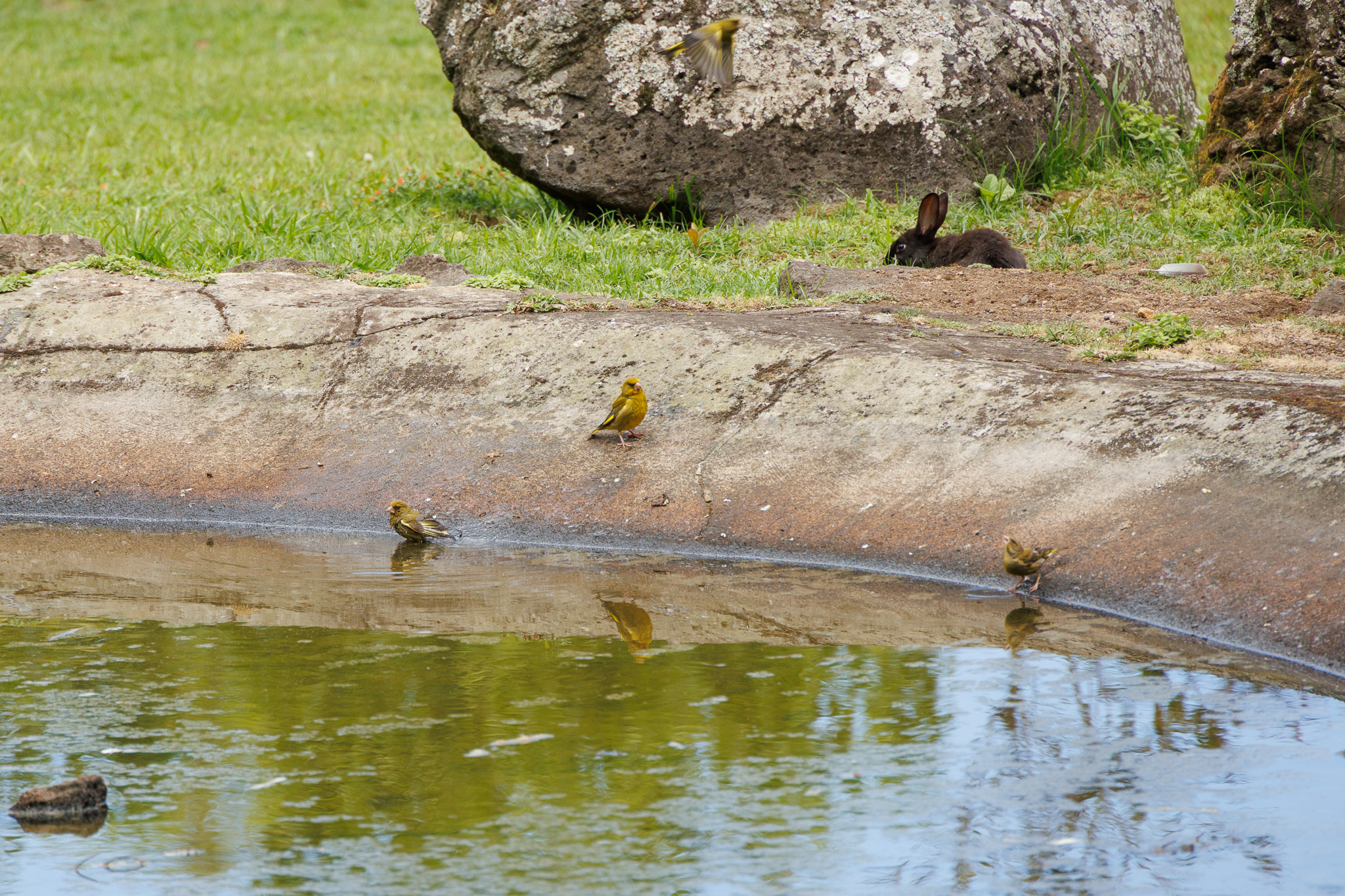
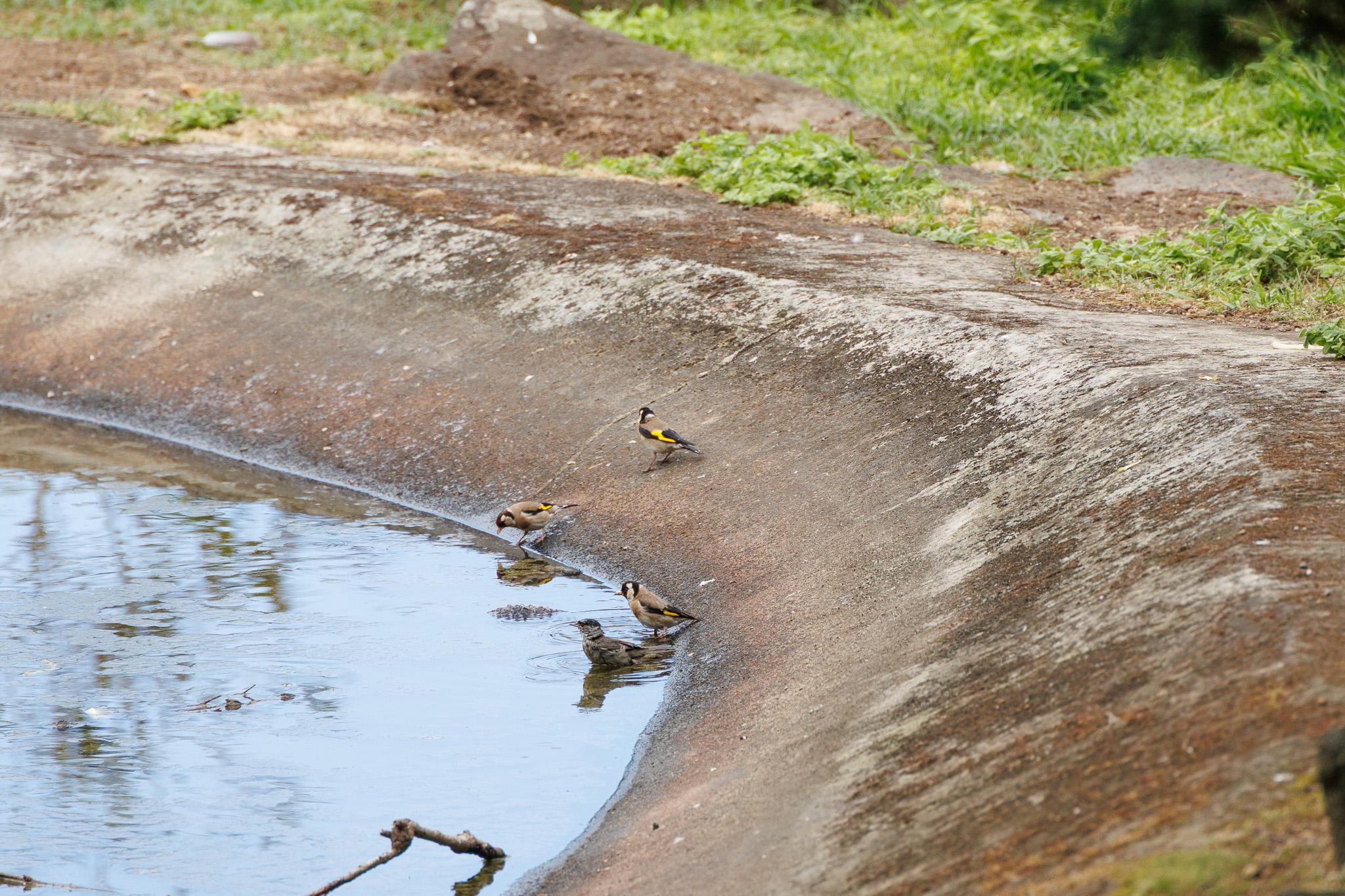
Rabbits, goldfinches, greenfinches, canaries
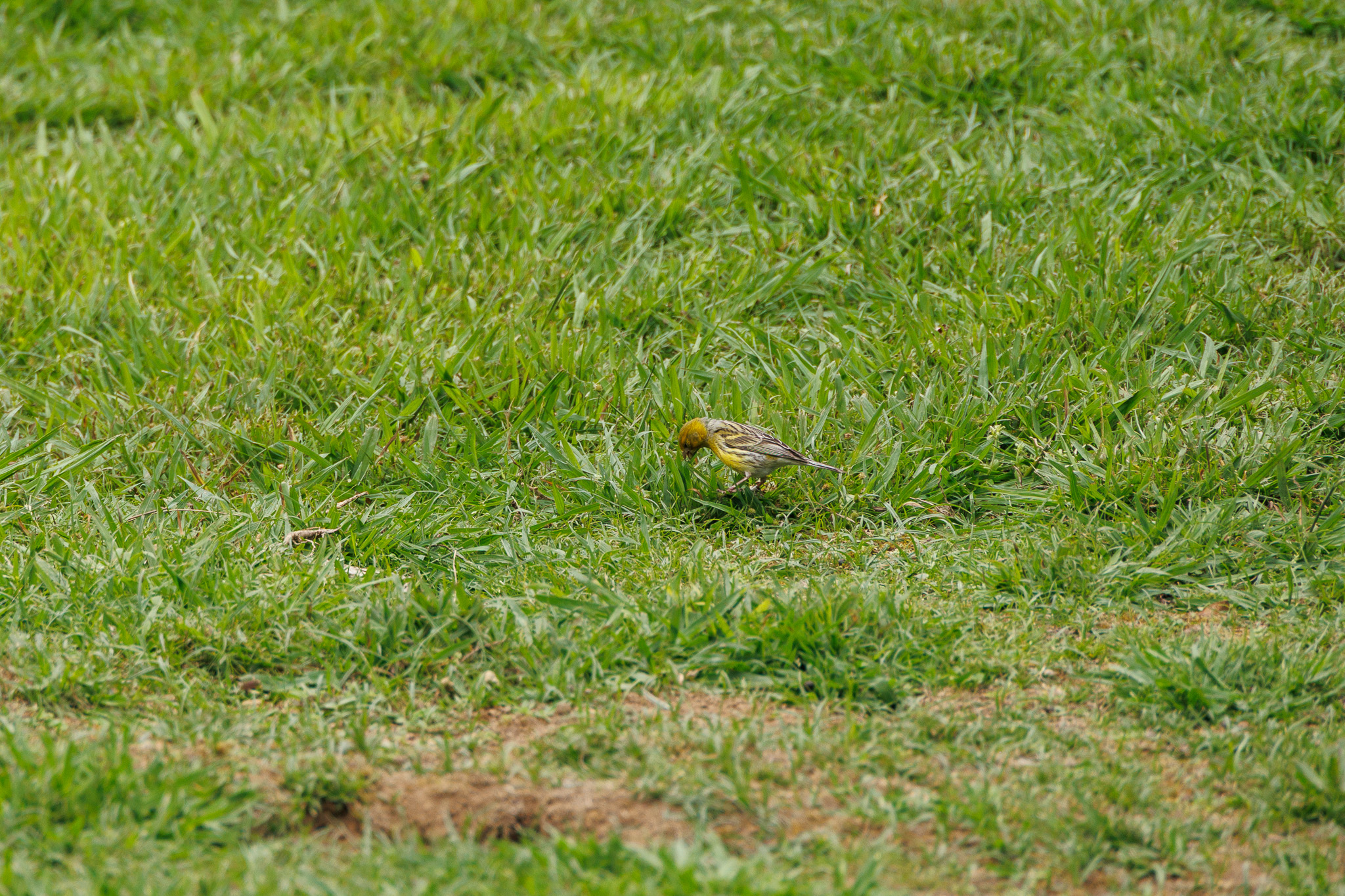
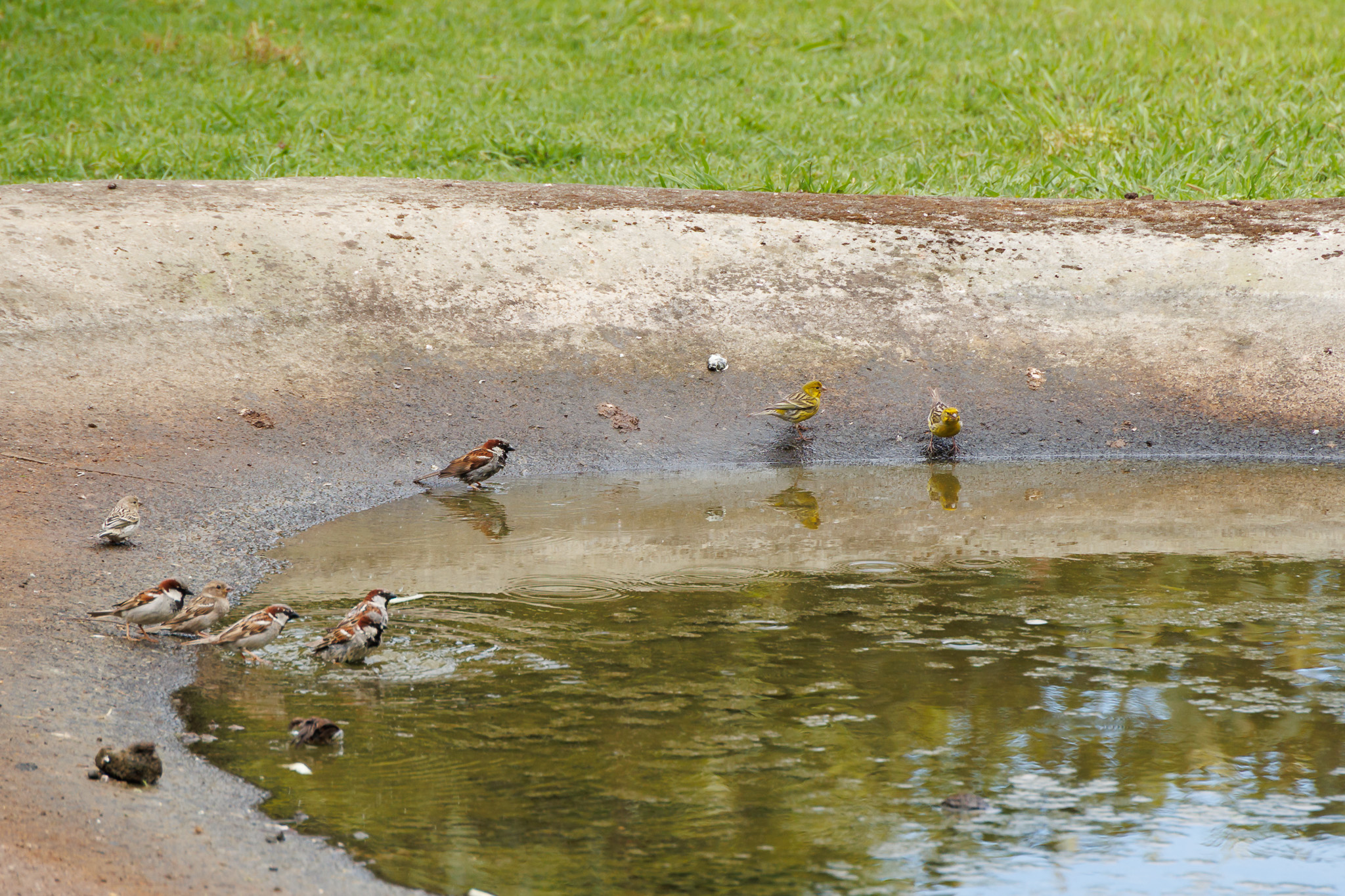
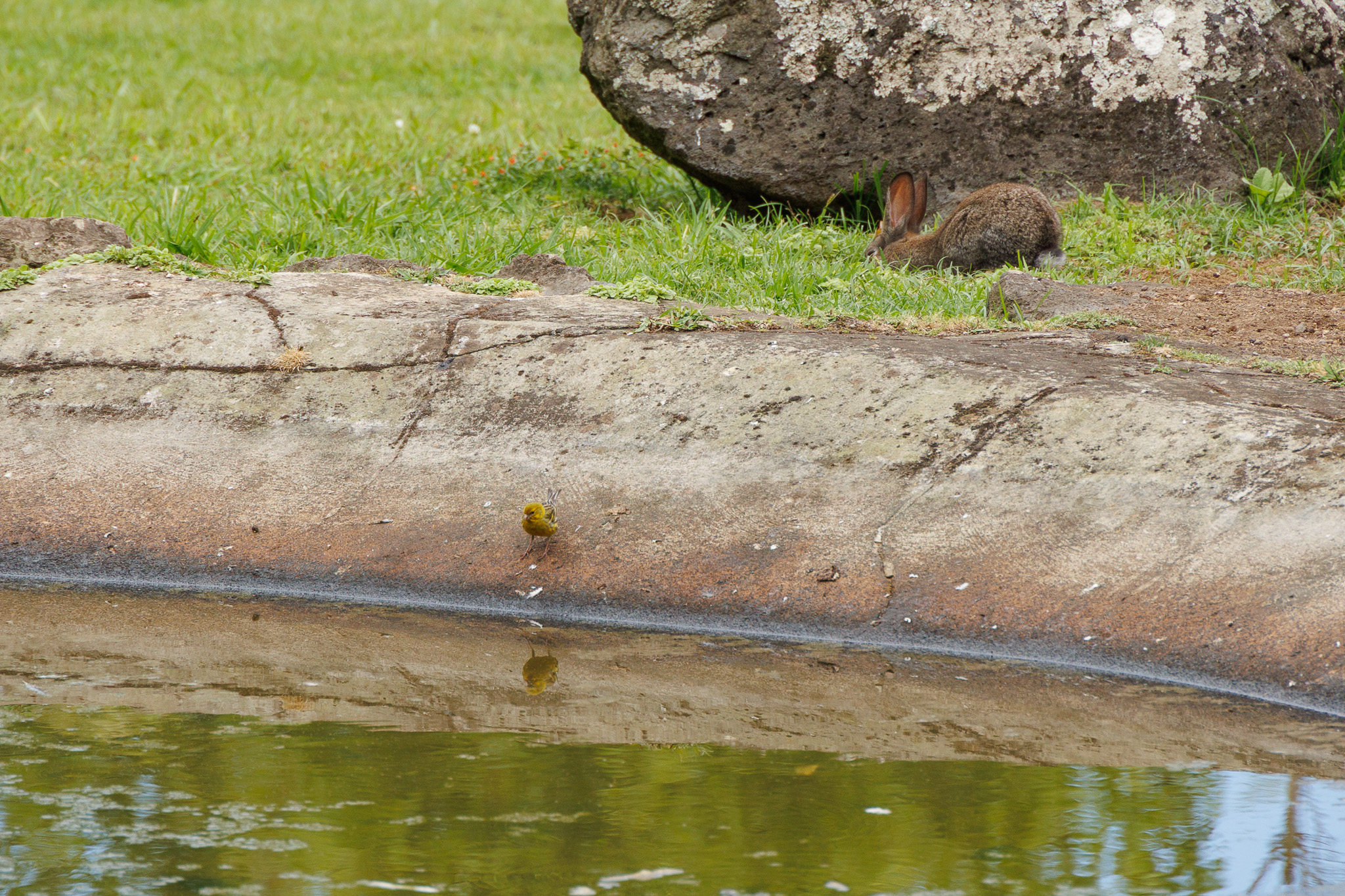
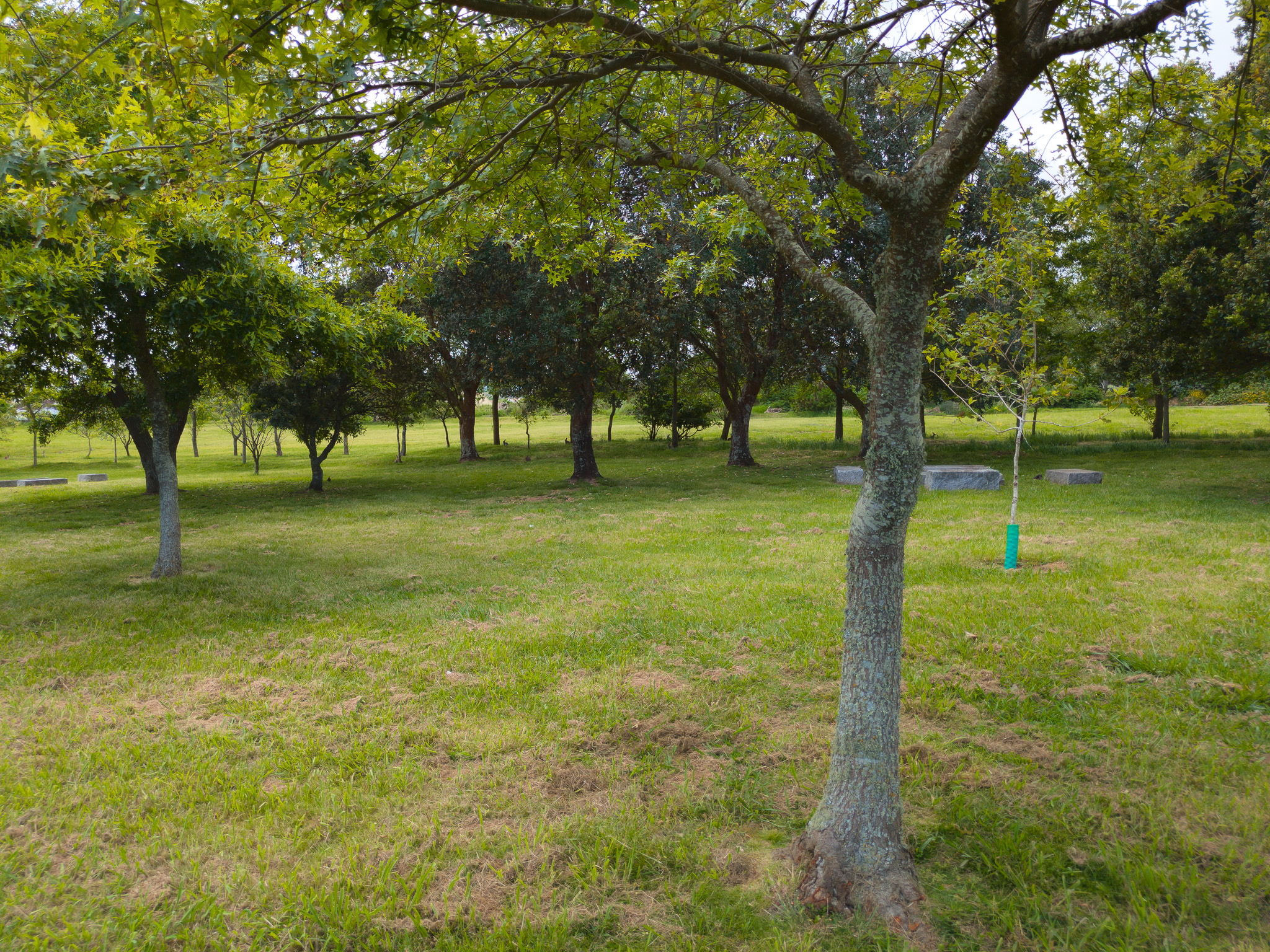
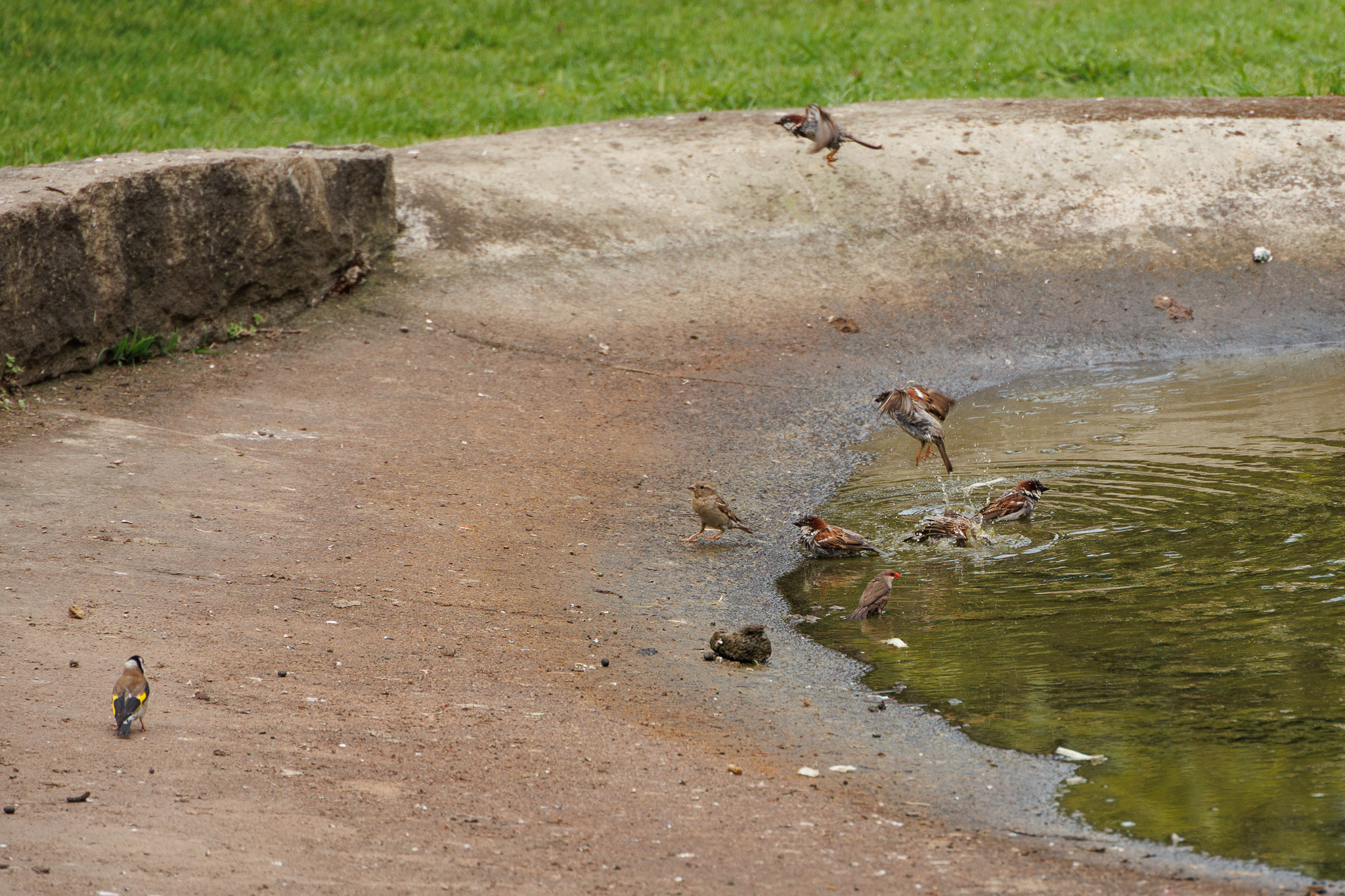
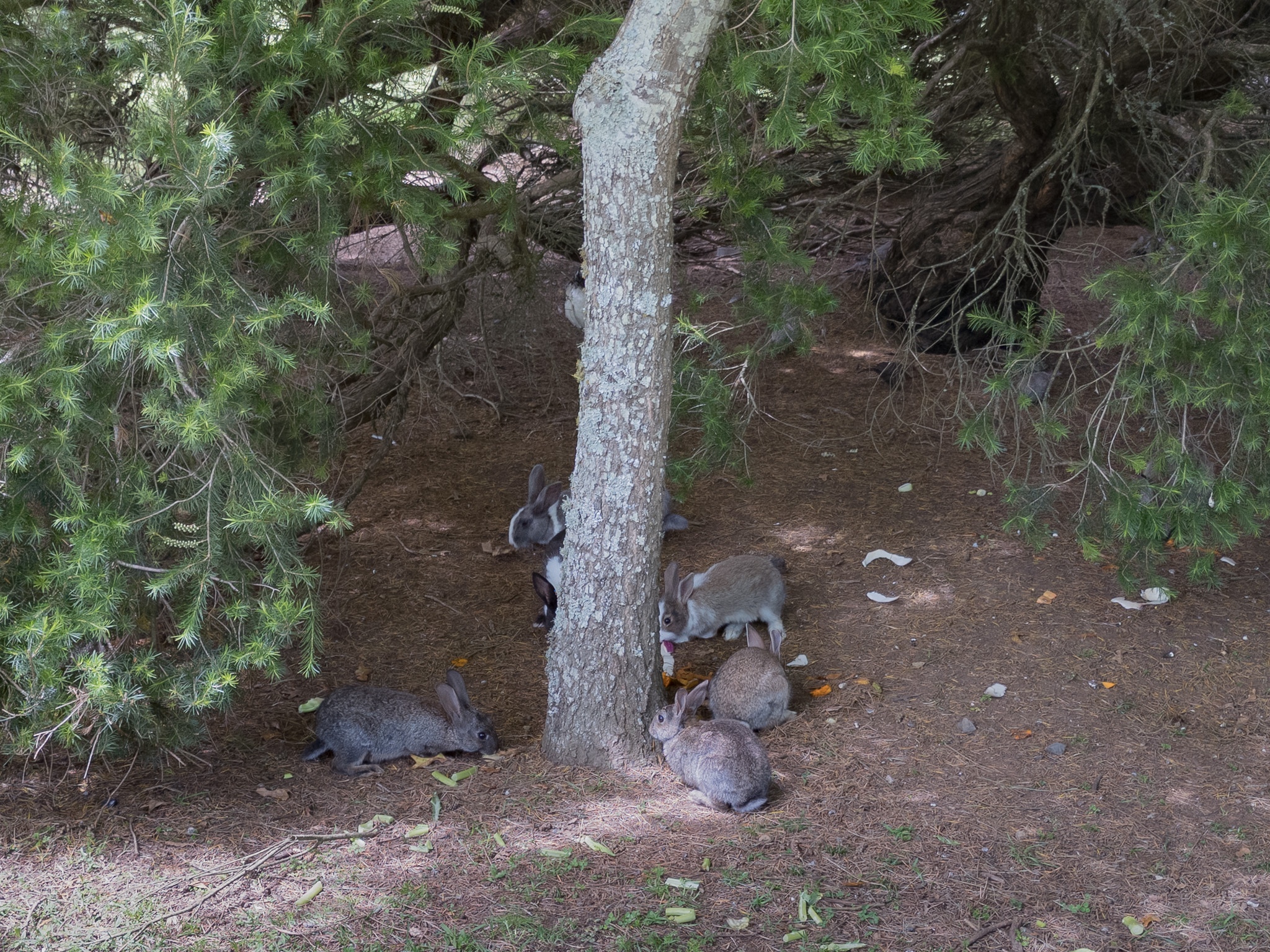
On the way back, we stopped at the Parque Urbano de Ponta Delgada. This park is overrun with rabbits! There were rabbits every 20 feet or so, in many different colors. At a little concrete pond we found lots of the common city birds: House Sparrow, European Goldfinch, Greenfinch, and Island Canary, which is only found on the Atlantic islands of Madeira, Açores, and Canary Islands. A domestic variety of canary has gotten established on some Pacific island too.
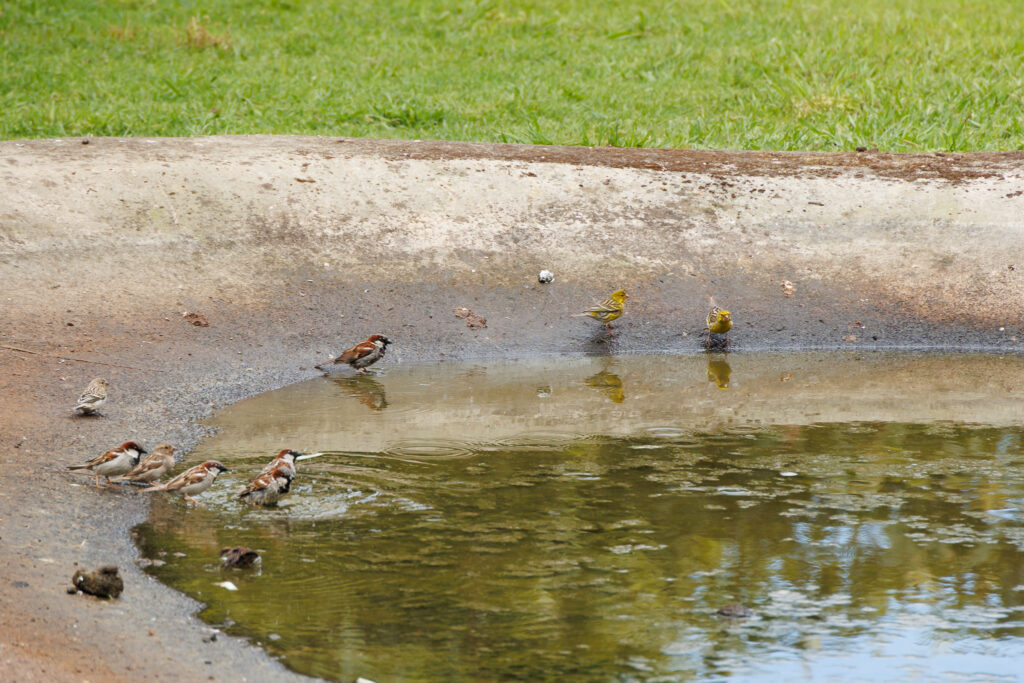
Photo gallery
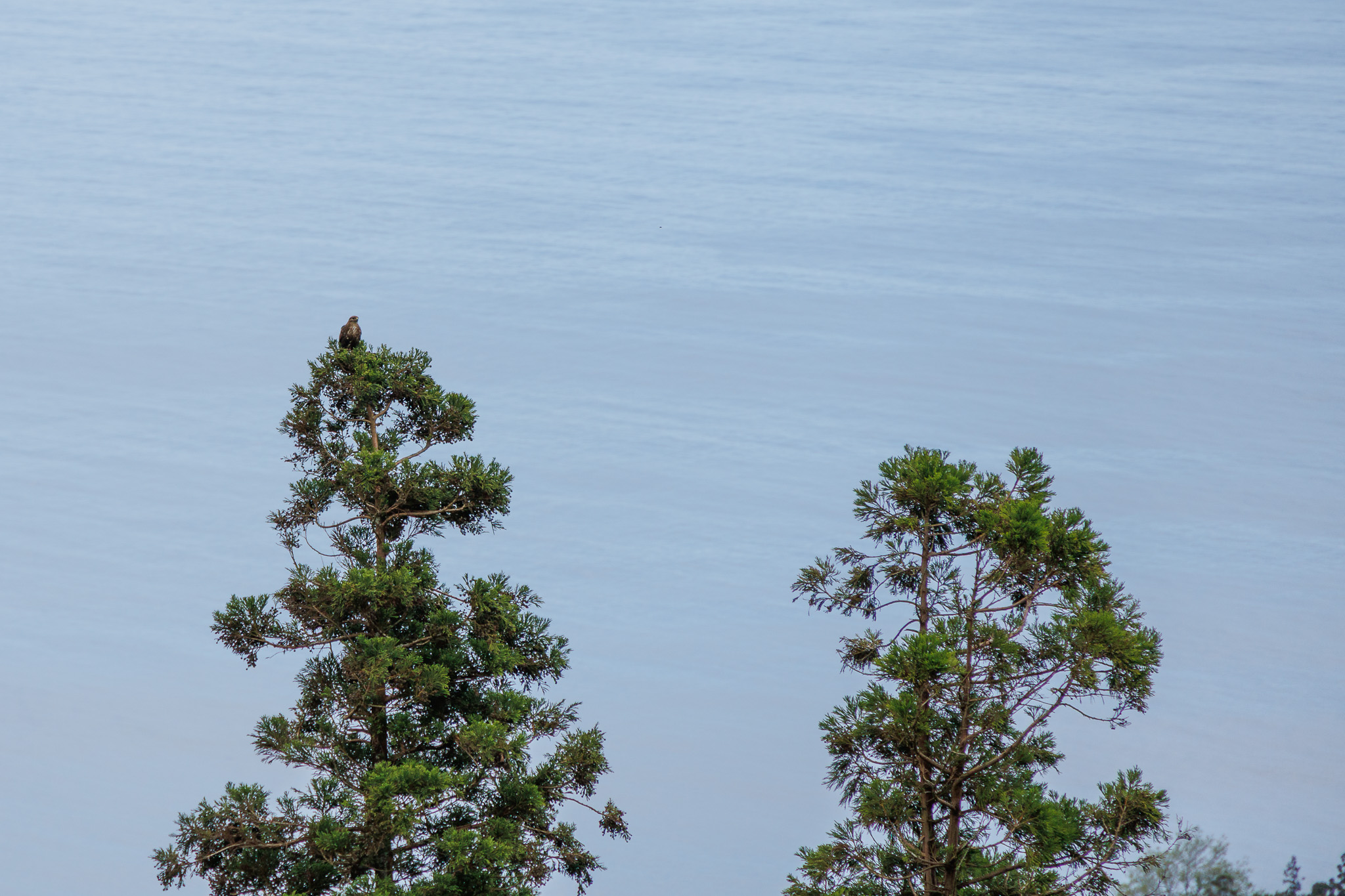
Here’s a gallery of the whole birding trip. Since these are mostly little birds in foliage, you might have to look carefully to find the birds. In my enthusiasm for all these bird sightings, I certainly didn’t cull the collection down to the best poses. I know I should cull more strictly, but I like all the views!